Shandong Gold Lead Machinery Co., Ltd.

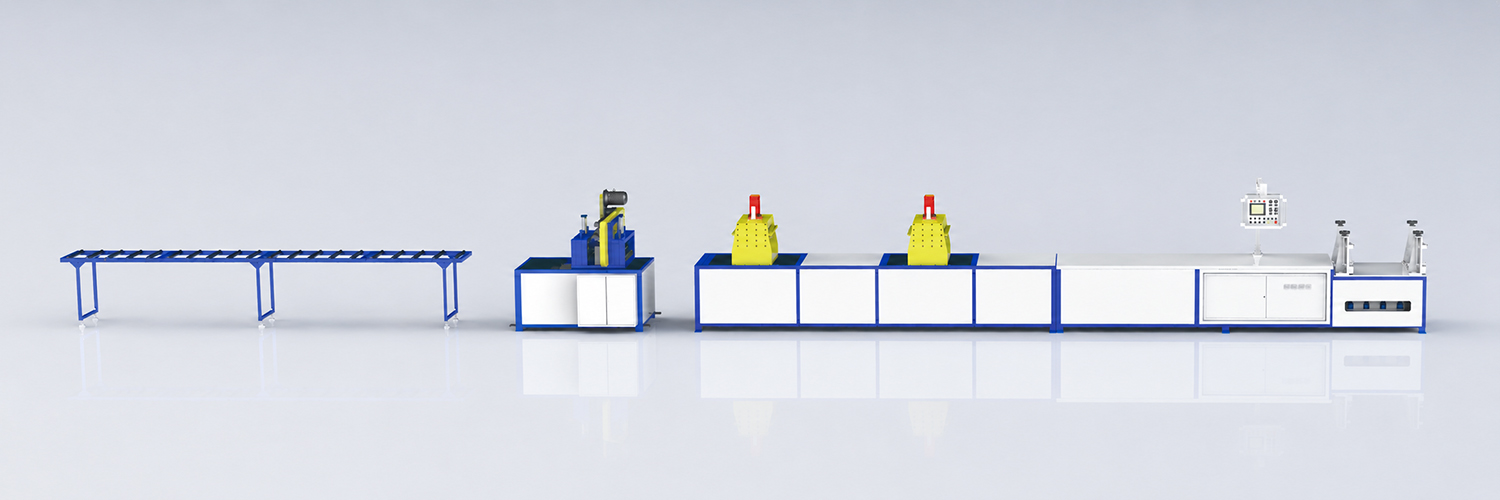
How Profile Geometry Shapes Pultrusion Machine Selection
Profile geometry influences pultrusion equipment selection through more than overall size. Internal features, wall distribution, contact surfaces and critical tolerances affect the tooling and the way the line handles the product.
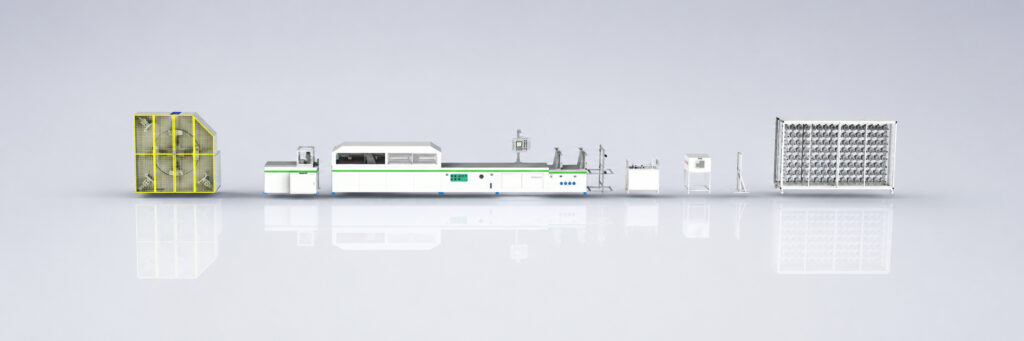
Translate geometry into process questions
Use the drawing to identify reinforcement-placement challenges, corners, cavities and surfaces requiring particular care. Discuss these with the tooling and process specialists. Ask how the proposed section will enter the die, be supported after forming and engage the puller. A profile's bounding dimensions alone cannot answer those questions.
Evaluate the complete product range
For a multi-product line, select representative sections that expose different challenges. Identify tooling, contacts, supports and cutting components that change between them. Define the validation needed for each family rather than assuming one trial covers every future shape. Include inspection access in the review, especially for internal dimensions or features difficult to measure consistently.
A practical decision example
Two profiles with the same outside dimensions can differ greatly in wall layout and available gripping faces. Give the supplier cross-sections rather than a bounding box. The selection discussion should follow the geometry that the tooling and puller actually encounter.
Key checks
- Mark geometry-driven process constraints
- Choose representative sections for trials
- Identify product-specific tooling and contact parts
Next step
A geometry-led enquiry leads to a more credible equipment proposal. It gives suppliers enough information to explain both the intended capability and the limits that require further development.
Review the pultrusion equipment range and share your product specification for a configuration and scope discussion.