Shandong Gold Lead Machinery Co., Ltd.


News
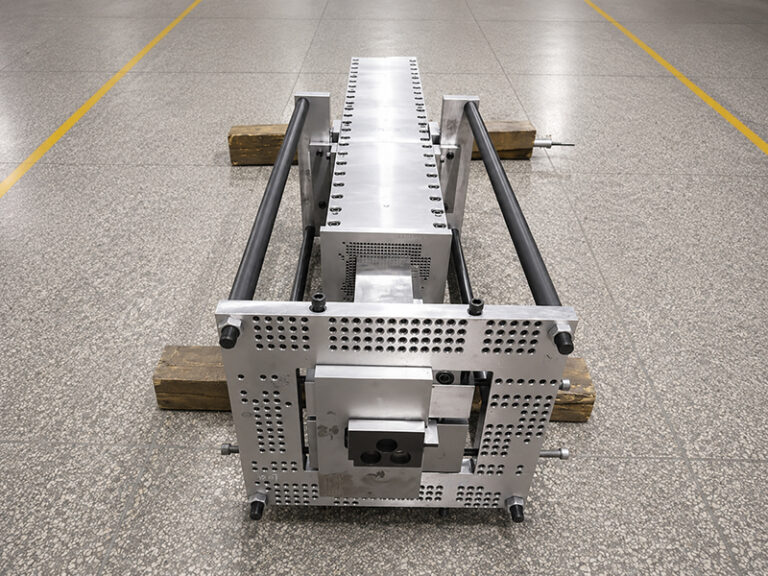
Pultrusion Cure Temperature: Resin and Profile Variables to Confirm
Pultrusion cure temperature cannot be specified responsibly from the resin-family name alone. The formulation, reinforcement, section geometry and equipment arrangement all influence the process that needs to be developed and verified.
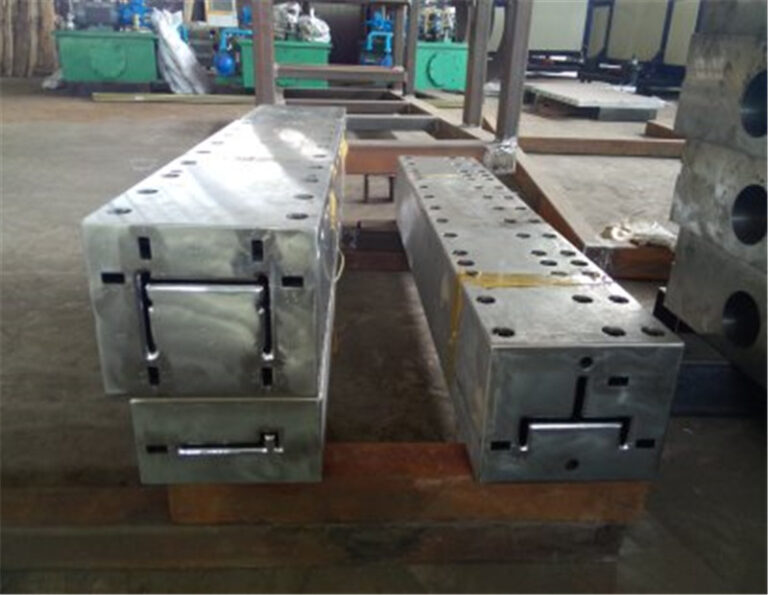
Pultrusion Mould Surface Finish and Product Appearance
Pultrusion mould surface condition can influence product appearance, but visible defects may also arise from materials or process conditions. A surface-quality discussion should therefore define the required finish and the evidence needed to assess it.
Pultrusion Tooling Maintenance Checklist
Pultrusion tooling maintenance should preserve the designed geometry and surface condition. Cleaning and inspection methods need to follow the tool supplier's guidance, because an improvised repair can change the very features controlling the product.
Common Causes of Sticking in Pultrusion Moulds
Sticking in a pultrusion mould can involve the material, cure conditions, tooling surface or process arrangement. It should be investigated through evidence rather than treated as a problem solved simply by increasing pulling force.
Pultrusion Mould Alignment and Dimensional Accuracy
Mould alignment is one contributor to dimensional consistency in pultrusion. The tooling, reinforcement path, puller and supports must be reviewed as an arrangement, because a local measurement may miss a mismatch elsewhere in the line.
Pultrusion Mould Heating: Process Considerations
Pultrusion mould heating must support the resin system and profile being processed. Heater capacity or the number of control zones alone does not establish that the required cure conditions will be achieved throughout the product.
How Pultrusion Die Design Affects Profile Quality
Pultrusion die design influences how the reinforcement and resin become a finished profile. Geometry, alignment and thermal arrangements need to be considered together with the material system and production conditions.
Inside an FRP Pultrusion Die: Forming, Heating and Release Zones
A pultrusion die shapes the profile while supporting the intended curing process. References to forming, heating and release regions describe useful functions, but the actual internal design must match the material and section.
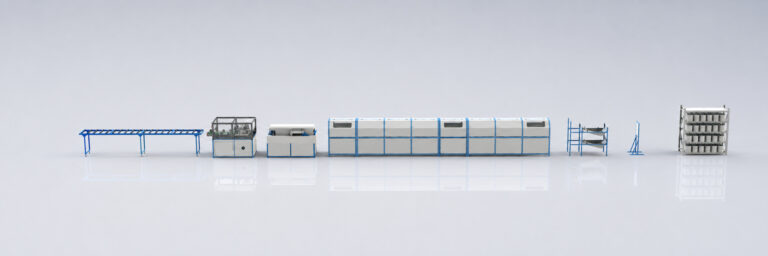
Quality Control Checks for Pultruded FRP Rebar
Quality control for pultruded FRP rebar should connect incoming materials, process records and finished-product testing. No single visual check can demonstrate every property required for the intended construction application.
How Surface Profile Is Formed on FRP Rebar
The surface profile of FRP rebar is a specified product feature, not simply a decorative texture. Buyers need to know how the offered production line creates it and how the resulting bar will be inspected and qualified.
FRP Rebar Line Setup: Roving, Impregnation and Surface Forming
FRP rebar line setup should coordinate reinforcement, impregnation and surface formation around the intended product. Each stage affects the material presented to the next, so setup is a controlled process rather than a collection of independent adjustments.
How an FRP Rebar Production Line Works: Equipment Overview
An FRP rebar production line combines continuous composite forming with operations needed for the specified bar product. Buyers should understand the proposed equipment sequence before comparing capacity or price.