Shandong Gold Lead Machinery Co., Ltd.

How Surface Profile Is Formed on FRP Rebar
The surface profile of FRP rebar is a specified product feature, not simply a decorative texture. Buyers need to know how the offered production line creates it and how the resulting bar will be inspected and qualified.
Identify the proposed surface-forming method
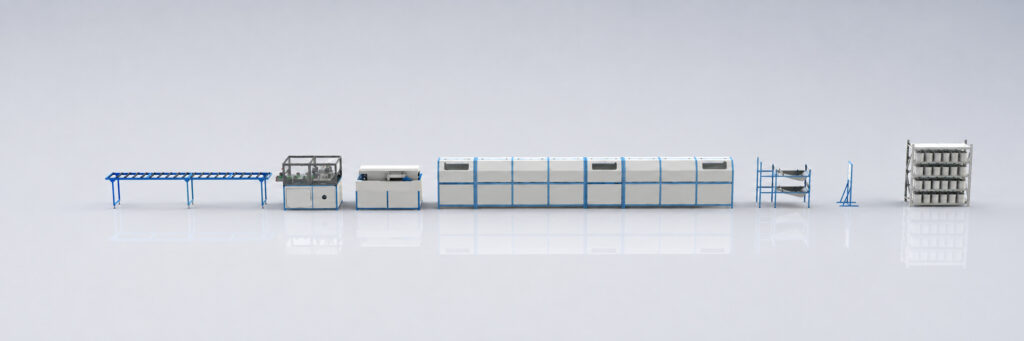
Ask the supplier to describe the actual process and its position relative to impregnation, cure, pulling and cutting. Different line designs may use different arrangements, so do not infer the mechanism from a general product photo. Provide the required surface geometry and the applicable product specification. Clarify any consumables, tooling or separate units needed to form it.
Separate visual checks from performance evidence
Inspection can assess visible continuity, geometry and other defined characteristics, but appearance alone does not establish bond performance or structural suitability. Plan the relevant product tests with the responsible specialists. Record process conditions and material batches so that a test result can be related to the produced bar. Changes to the surface-forming process should be reviewed against the qualification basis.
A practical decision example
A bar with a visually regular surface pattern may still require specified testing to establish its performance. Keep geometry inspection and performance evidence as separate checkpoints. The surface-forming equipment should be assessed against both the manufacturing task and the product-validation plan.
Key checks
- Document the actual surface-forming sequence
- Define measurable inspection criteria
- Link product tests to traceable production records
Next step
This approach turns a vague request for ribbed or textured rebar into a clearer manufacturing and acceptance requirement.
Review the five-line FRP rebar production-line information and share your product specification for a configuration and scope discussion.