Shandong Gold Lead Machinery Co., Ltd.

Pultrusion Cure Temperature: Resin and Profile Variables to Confirm
Pultrusion cure temperature cannot be specified responsibly from the resin-family name alone. The formulation, reinforcement, section geometry and equipment arrangement all influence the process that needs to be developed and verified.
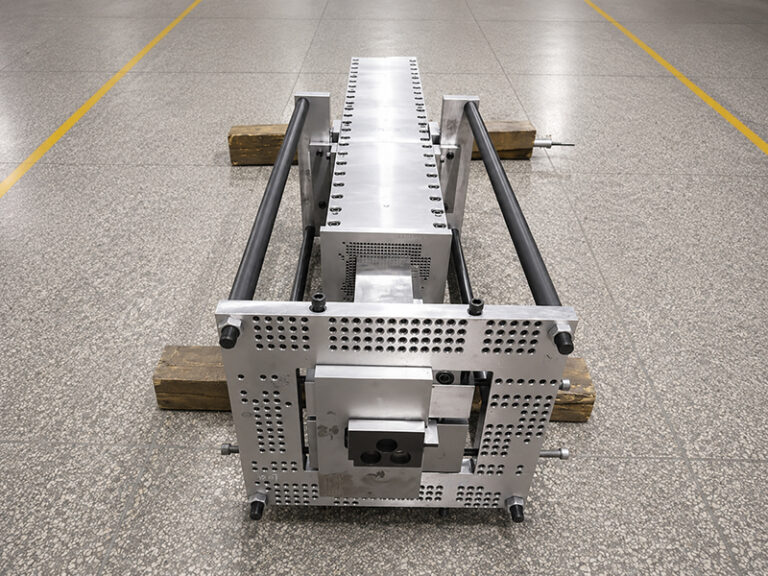
Use a material-specific starting point
Obtain the resin supplier's current technical and safety guidance and identify the complete system. Review the proposed tooling heating and measurement arrangement with the equipment and process specialists. Distinguish controller setpoints, measured tool temperatures and the material's actual cure state. These are related concepts, but they are not interchangeable evidence.
Validate the conditions against the product
Use an approved trial plan and the appropriate inspection or cure-assessment methods. Record material batches, tooling, speed and relevant temperatures so the result can be interpreted. A surface that appears hard does not establish every required cure characteristic. Changes to formulation, section or process should be reviewed before relying on previously accepted conditions.
A practical decision example
A temperature schedule accepted for one resin formulation should not be copied automatically after a formulation change. Review the current material guidance and validation needs. Keep the prior schedule as historical evidence, not an unquestioned instruction for the new system.
Key checks
- Identify the exact resin system
- Distinguish setpoints from product cure evidence
- Control and document process changes
Next step
A defensible cure specification comes from material guidance and validated production evidence. It should not be replaced by a universal temperature recipe copied from another line or product.
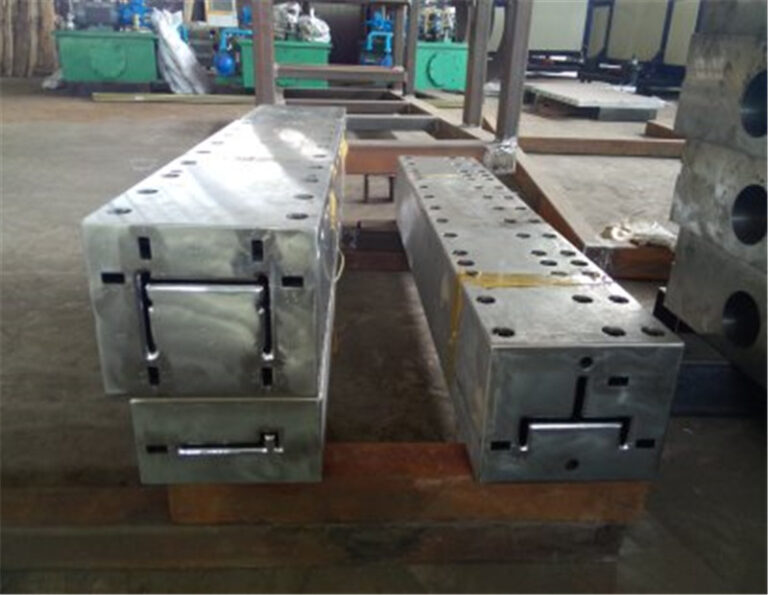
Review the FRP pultrusion mould information and share your product specification for a configuration and scope discussion.