Shandong Gold Lead Machinery Co., Ltd.

Pultrusion Tooling Maintenance Checklist
Pultrusion tooling maintenance should preserve the designed geometry and surface condition. Cleaning and inspection methods need to follow the tool supplier's guidance, because an improvised repair can change the very features controlling the product.
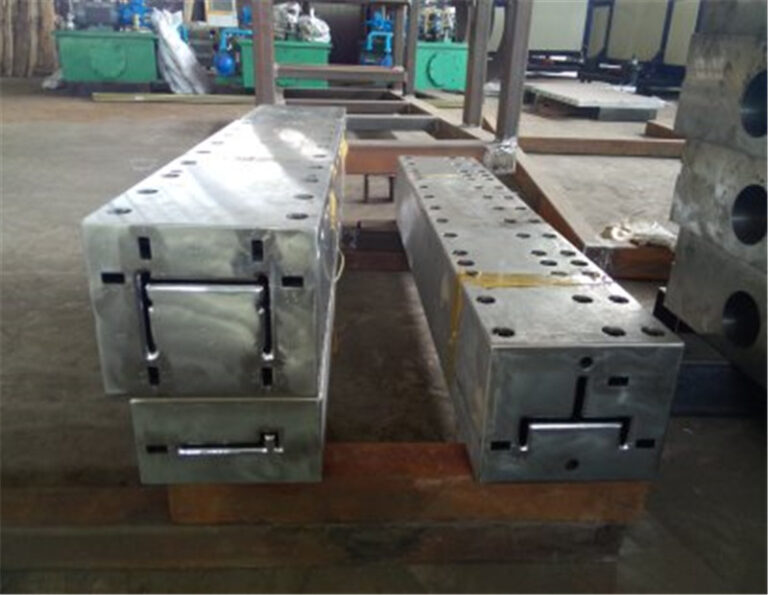
Inspect and document the tool condition
After the appropriate shutdown and isolation, qualified personnel can inspect accessible surfaces, heating components, mounting features and other specified areas. Record wear, damage, deposits or other observations against the tool identification. Use the prescribed inspection criteria rather than assuming every visible mark requires polishing or rework. Keep dimensional concerns linked to the relevant product records.
Control cleaning, repair and return to service
Use approved cleaning methods and compatible materials. Refer damage or uncertain conditions to the responsible tooling specialist. Record any modification, replacement or repair with a revision history. Before returning the tool to production, complete the required checks and verify product acceptance under the approved process. Maintenance should not silently change the tooling baseline used for qualification or customer approval.
A practical decision example
A tool returned from repair should have a record of what changed and how it was checked. Treat the first production run as a verification step appropriate to the work. A clean appearance alone does not establish that critical geometry and function remain acceptable.
Key checks
- Identify the tool and inspection criteria
- Use approved cleaning and repair methods
- Verify the product after significant tooling work
Next step
A traceable maintenance record supports reliable changeovers and troubleshooting. It also helps purchasing teams understand the service requirements of a new tooling package.
Review the FRP pultrusion mould information and share your product specification for a configuration and scope discussion.