Shandong Gold Lead Machinery Co., Ltd.

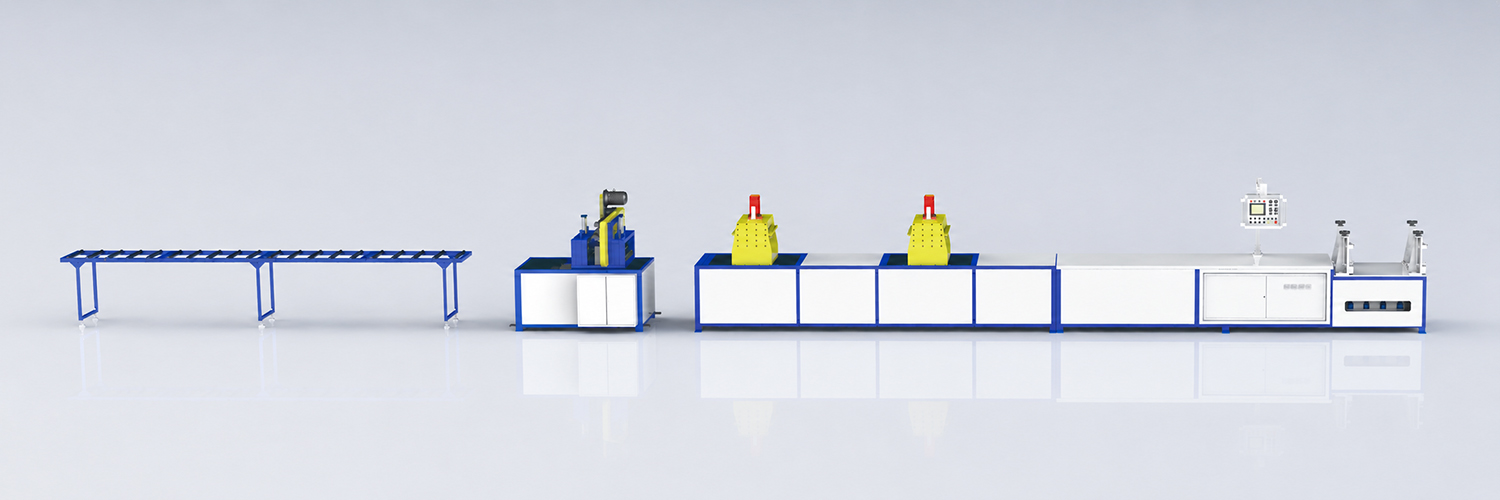
Pultrusion Mould Surface Finish and Product Appearance
Pultrusion mould surface condition can influence product appearance, but visible defects may also arise from materials or process conditions. A surface-quality discussion should therefore define the required finish and the evidence needed to assess it.
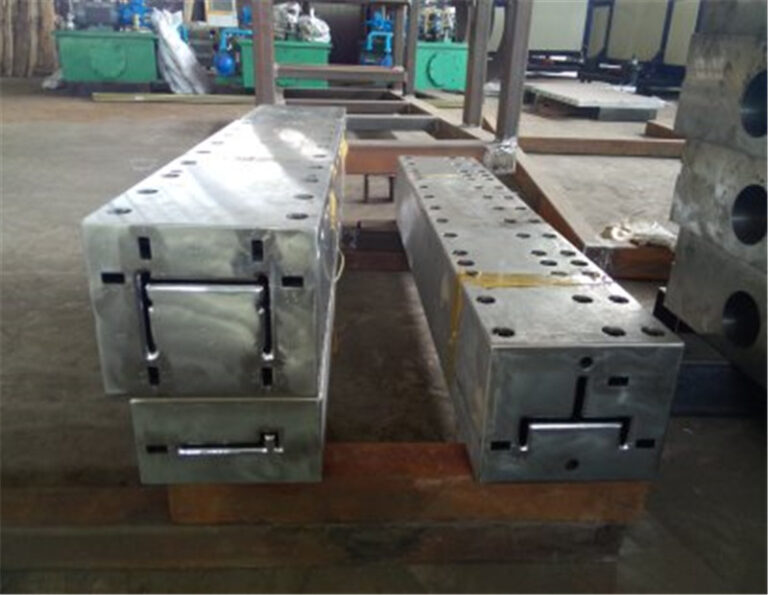
Specify the product appearance clearly
Identify which surfaces remain visible and how they will be inspected. Use representative samples or agreed descriptions where appropriate. Separate cosmetic criteria from dimensional and functional requirements. Ask the tooling supplier how the proposed tool condition and maintenance method support the intended finish, without assuming that a polished surface alone guarantees a defect-free profile.
Investigate defects before reworking the tool
Record the location and pattern of marks and whether they repeat consistently. Compare samples with process and material changes. Qualified personnel can inspect the tool under the appropriate safe procedures. Avoid polishing or modifying a suspected area without a controlled assessment, because rework can affect dimensions or introduce a different surface condition.
A practical decision example
If a surface line repeats in the same place, preserve samples and compare the pattern with tooling observations under safe inspection conditions. Do not polish the suspected area immediately. Rework should follow an evidence-based decision and be checked for dimensional consequences.
Key checks
- Define visible-surface acceptance criteria
- Compare defect patterns with process records
- Control and verify any tool rework
Next step
Keep accepted samples and tooling history together. They provide a practical reference when appearance changes and help prevent subjective judgments from driving unnecessary or damaging modifications.
Review the FRP pultrusion mould information and share your product specification for a configuration and scope discussion.