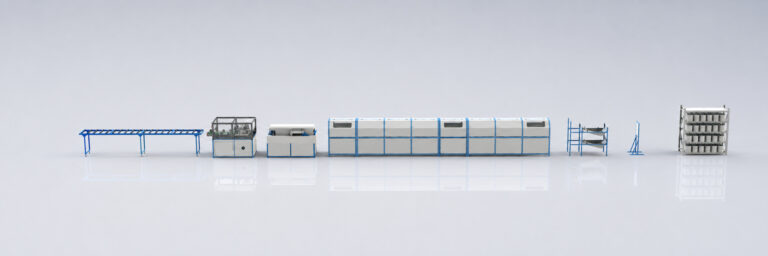
Shandong Gold Lead Machinery Co., Ltd.

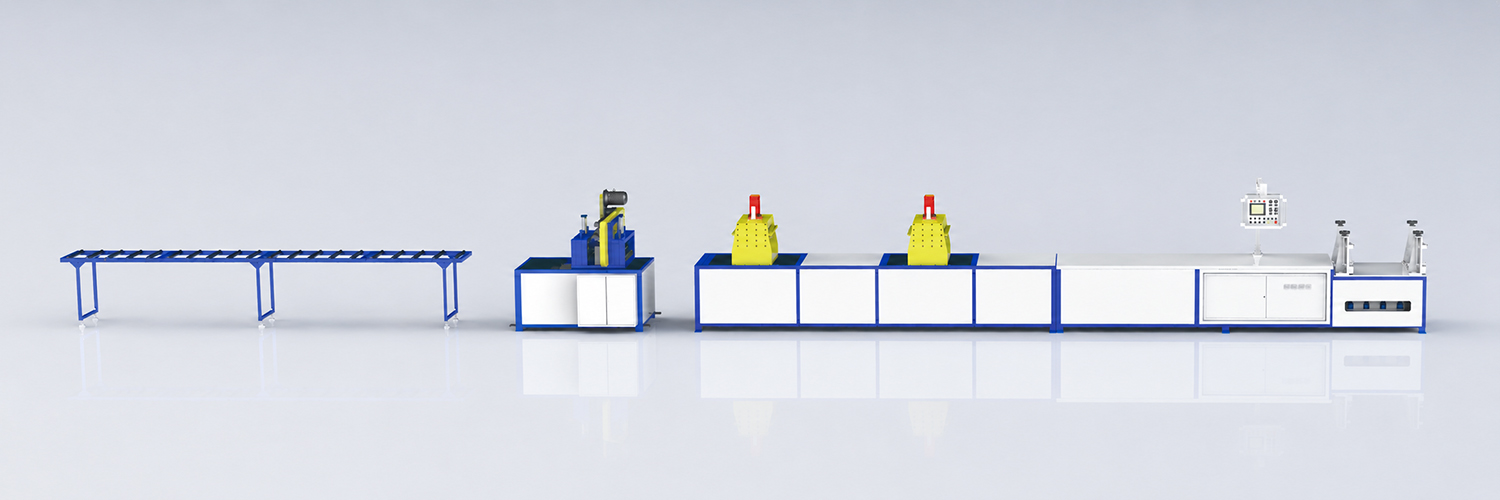
FRP Pultrusion Line RFQ Template for International Buyers
An FRP pultrusion line RFQ should describe the product you intend to make and the evidence you need to evaluate the proposed equipment. A request for a “complete line” leaves important questions unanswered: which modules are included, which tooling is required, what factory services must be supplied, and under which conditions performance will be demonstrated?
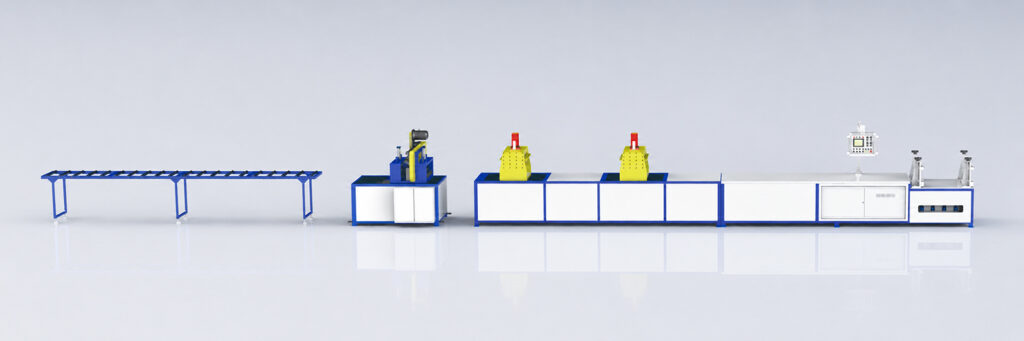
Use the framework below to prepare a technical enquiry for international suppliers. Keep buyer requirements, supplier commitments and unresolved questions in separate fields so a proposed configuration can be reviewed before commercial approval.
Start with the product rather than the machine name
Attach profile drawings and identify revisions
Provide a drawing for each proposed profile, including the required dimensions, tolerances, surface requirements and cut lengths. Identify the drawing revision and distinguish the initial production range from products you may add later. Do not assume that a machine proposed for one profile will accommodate the entire future range without changes.
Describe materials and production objectives
Identify the intended reinforcement and resin system, or state that material selection remains open. Include the expected product mix and planned operating pattern. If you request an output target, specify the product, material and quality conditions associated with it. Ask the supplier to explain the basis of any proposed performance commitment.
The pultrusion equipment product range can help identify which equipment families to discuss. It does not replace a proposal matched to your drawings and process requirements.
Use a structured technical RFQ
Copy the following schedule into your enquiry. Complete the buyer column, and ask the supplier to return a written offer and deviation list. “To be confirmed” is preferable to an unsupported assumption.
| Topic | Buyer requirement | Supplier response and evidence |
|---|---|---|
| Product range | [List profiles and drawing revisions] | [Confirm covered profiles and limitations] |
| Material system | [Identify reinforcement, resin and open decisions] | [State proposed compatibility and validation needs] |
| Quality requirements | [Specify dimensions, surface criteria and required product tests] | [Describe how conformity will be demonstrated] |
| Production target | [State target and associated operating assumptions] | [State proposed performance and test conditions] |
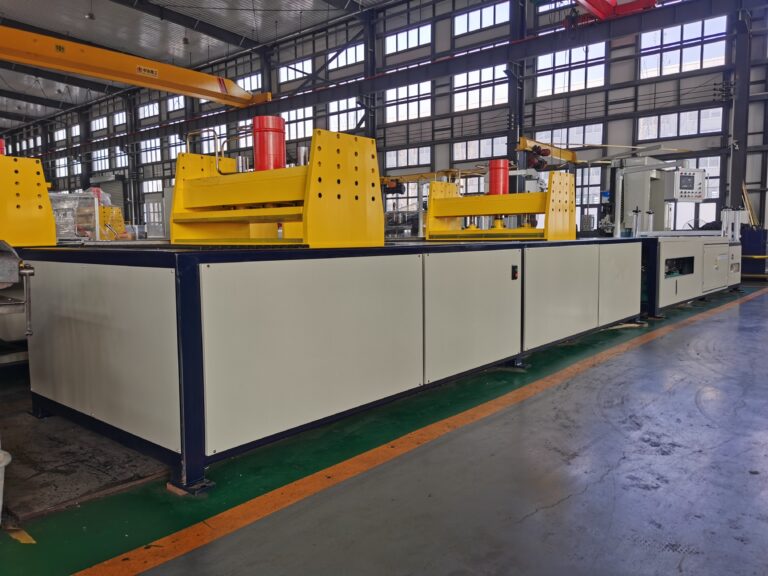
| Line modules | [List required functions] | [Provide equipment list and exclusions] |
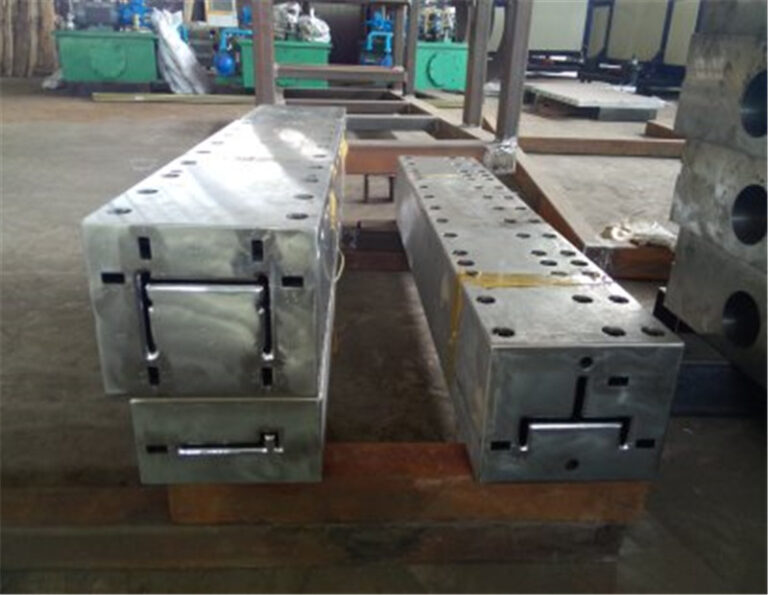
| Tooling | [List initial profiles and required tooling scope] | [Identify included moulds, fixtures and change parts] |
| Pulling and product handling | [Describe profile handling and surface constraints] | [Propose mechanism, contact arrangement and validation] |
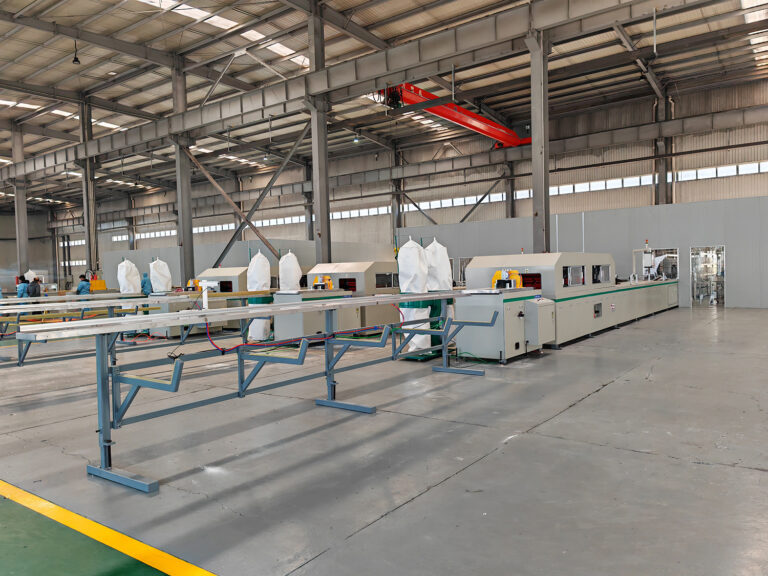
| Cutting and collection | [State length, handling and downstream requirements] | [Describe proposed equipment and interfaces] |
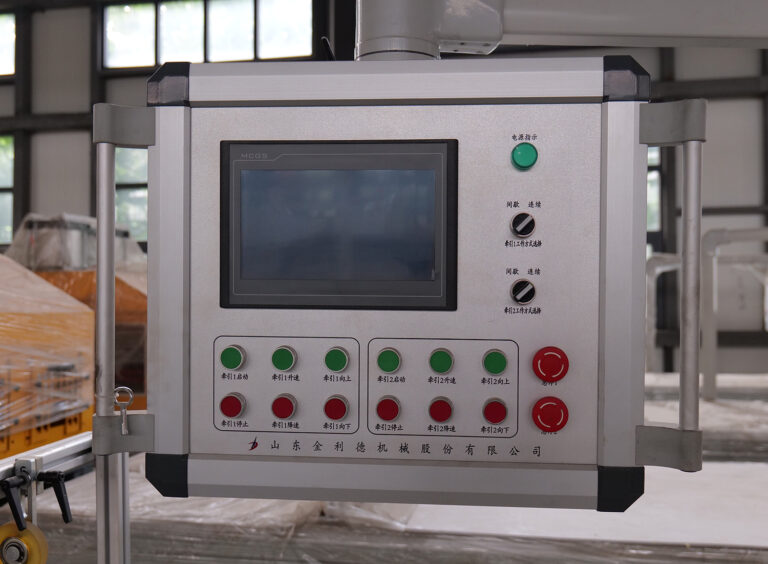
| Controls and records | [List operator functions and required production records] | [Confirm functions, data access and documentation] |
| Factory utilities | [Provide available services and constraints] | [Provide utility schedule for the offered configuration] |
| Layout and access | [Attach available floor plan and handling routes] | [Provide proposed layout and maintenance clearances] |
| Validation | [Define trial products and evidence required] | [Propose trial procedure and acceptance records] |
Define supply boundaries and site responsibilities
Ask the supplier to identify which items are included in the equipment price and which are optional or supplied by others. Review feeding, impregnation, tooling, heating, pulling, cutting and collection as applicable to the proposed line. Avoid assuming that every module uses the same arrangement across different products.
Include an interface schedule for power, cooling, compressed air, ventilation, extraction, foundations, unloading and installation where applicable. For each interface, identify the information required, the responsible party and the point at which it must be confirmed. The supplier should state which services its exact configuration requires.
Separate equipment scope from support scope
Request written details for installation guidance, commissioning, operator training, manuals, spare parts and maintenance support. Ask where the work is performed, who supplies personnel and travel arrangements, and which costs are included. The supplier’s ordering and support FAQs provide a starting point for questions; the quotation and agreed contract should define your actual scope.
Agree how the proposed performance will be checked
Request a factory trial proposal covering the intended profile, tooling, reinforcement and resin. Record which materials will be provided by each party and how samples will be identified. Ask how accepted output will be distinguished from trial material or rejected product.
The RFQ should identify the evidence you need, while the detailed factory acceptance test protocol can be agreed during technical review. Do not leave all acceptance discussions until the equipment is ready to ship. Also identify which checks depend on the destination factory and therefore need a separate site acceptance arrangement.
Request commercial terms on a consistent basis
- Price: request currency, itemized equipment costs, optional items and exclusions.
- Delivery: ask for the proposed delivery basis and named place, with the applicable edition of any trade terms used.
- Schedule: request the proposed timeline and its dependencies, including drawing approval, materials and payment milestones.
- Warranty: request the applicable written proposal, scope, exclusions and claim procedure.
- Support: ask for the included services and the basis for additional charges.
- Validity: request the quotation expiry date and conditions that may require a revised offer.
These fields request supplier proposals; they do not establish a standard price, lead time, warranty or service entitlement.
Review deviations before approving the proposal
Compare each offer against the same drawing revisions and scope schedule. Identify whether differences concern the equipment, tooling, quality evidence, utilities or commercial terms. A missing item should remain an open action rather than being treated as included.
Maintain a short register with the requirement, supplier response, supporting document, reviewer and resolution status. Keep technical alternatives separate from the base proposal until the responsible team approves them. Before purchase, reconcile the accepted specification, equipment list, layout and test requirements into one controlled set of documents.
Prepare your enquiry for Gold Lead
Send Gold Lead your profile drawings, intended material systems, quality requirements and factory information with the completed RFQ schedule. Request a configuration-specific proposal that states included equipment, unresolved assumptions and the evidence needed to validate the proposed line.