Shandong Gold Lead Machinery Co., Ltd.

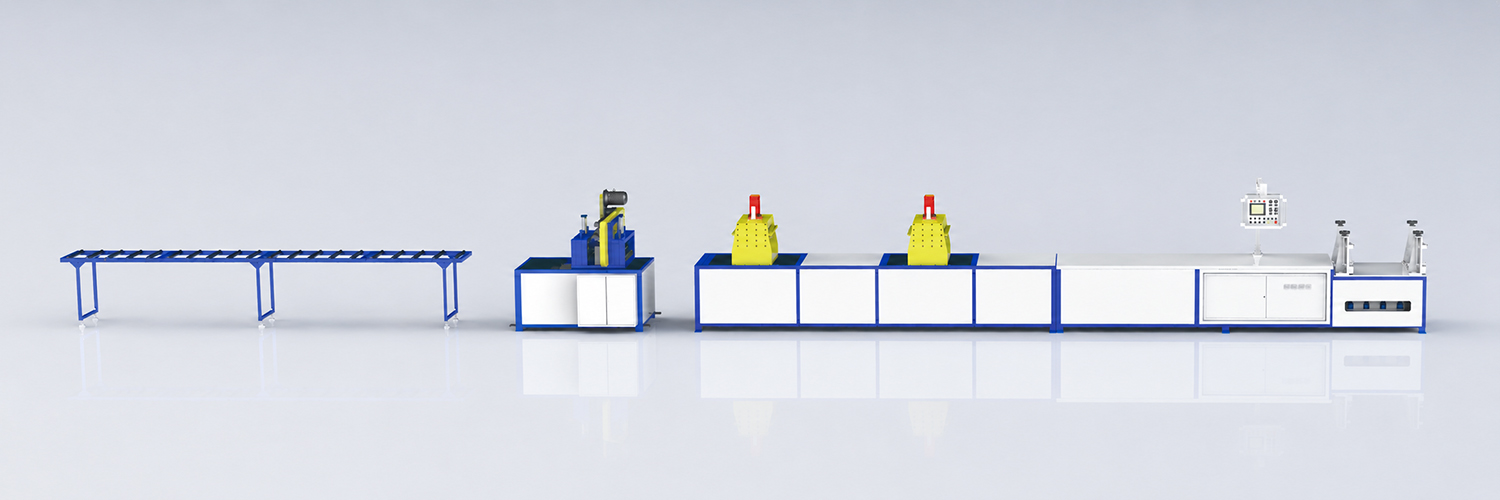
Choosing a Pultrusion Mould for Hollow Profiles
Hollow-profile pultrusion tooling must create the required internal and external geometry while supporting a workable reinforcement and process arrangement. The cavity layout makes a detailed drawing especially important at the enquiry stage.
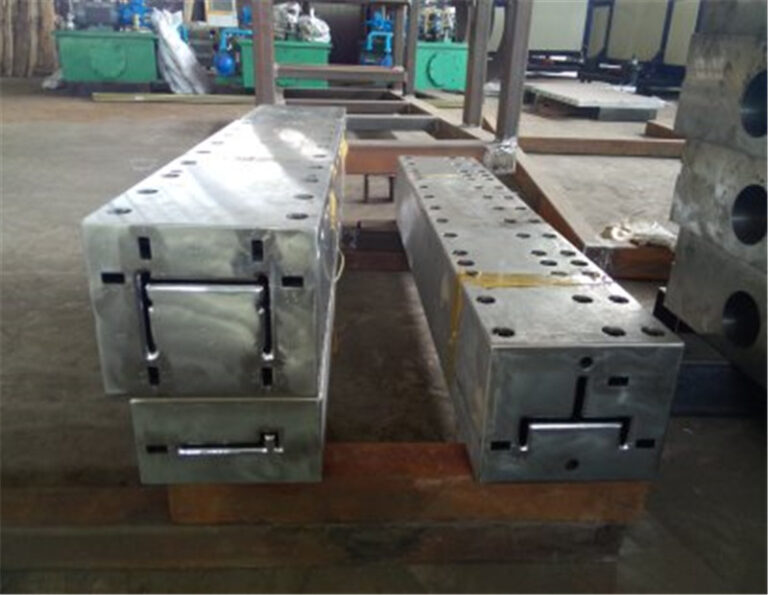
Describe internal features and functional tolerances
Show walls, corners, openings and interfaces with other components. Identify the dimensions that control fit or structural design, and provide the intended material system for review. Ask how the proposed tooling and preforming arrangement will support reinforcement placement around the section. Do not assume that a hollow shape is feasible merely because its outside dimensions fit a machine's stated range.
Coordinate the tool with traction and inspection
Review available puller contact surfaces and the risk of deforming the section. Agree how internal and external dimensions will be inspected and which trial results demonstrate acceptance. Identify tool handling, alignment and maintenance needs. If several related hollow sections are planned, clarify whether the supplier proposes separate tooling or interchangeable elements and what that means for changeover.
A practical decision example
An internal cavity dimension may be important but difficult to measure with the buyer's existing instruments. Agree a practical inspection method before tooling acceptance. Otherwise a successful trial can end with disagreement over a requirement neither party planned how to verify.
Key checks
- Provide a complete section drawing
- Review tooling and puller contact together
- Define accessible and reliable inspection methods
Next step
A coordinated hollow-profile proposal reduces the risk of resolving internal geometry, traction or measurement problems only after the tool has been manufactured.
Review the FRP pultrusion mould information and share your product specification for a configuration and scope discussion.