Shandong Gold Lead Machinery Co., Ltd.

What Drawings Are Needed for Custom Pultrusion Moulds?
Custom pultrusion mould enquiries need a finished-product drawing supported by material and acceptance information. A sketch of the outside shape rarely provides enough detail for a meaningful tooling proposal.
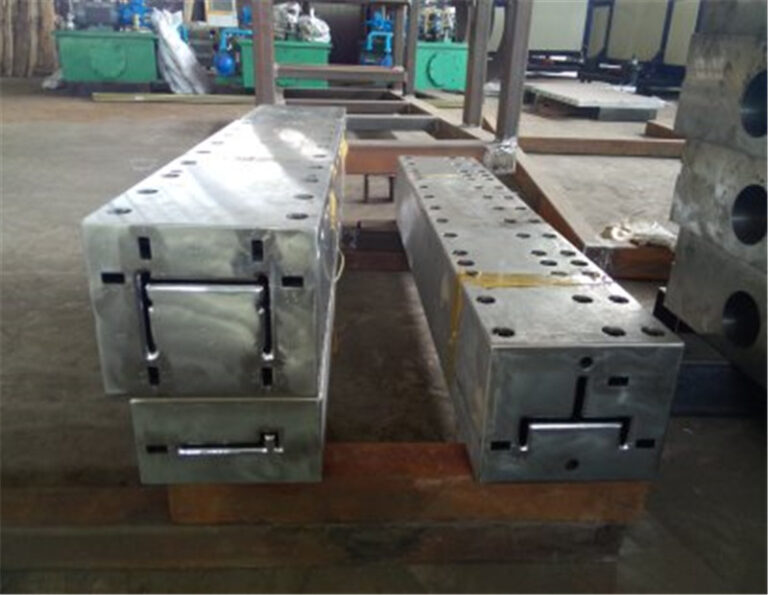
Define the section and critical features
Provide dimensions, units, tolerances, internal cavities and corner details in a controlled revision. Identify visible surfaces and interfaces with mating components. Explain which features are functionally critical. Include the intended reinforcement and resin system for technical review, while allowing the tool designer to identify feasibility concerns and required process-development work.
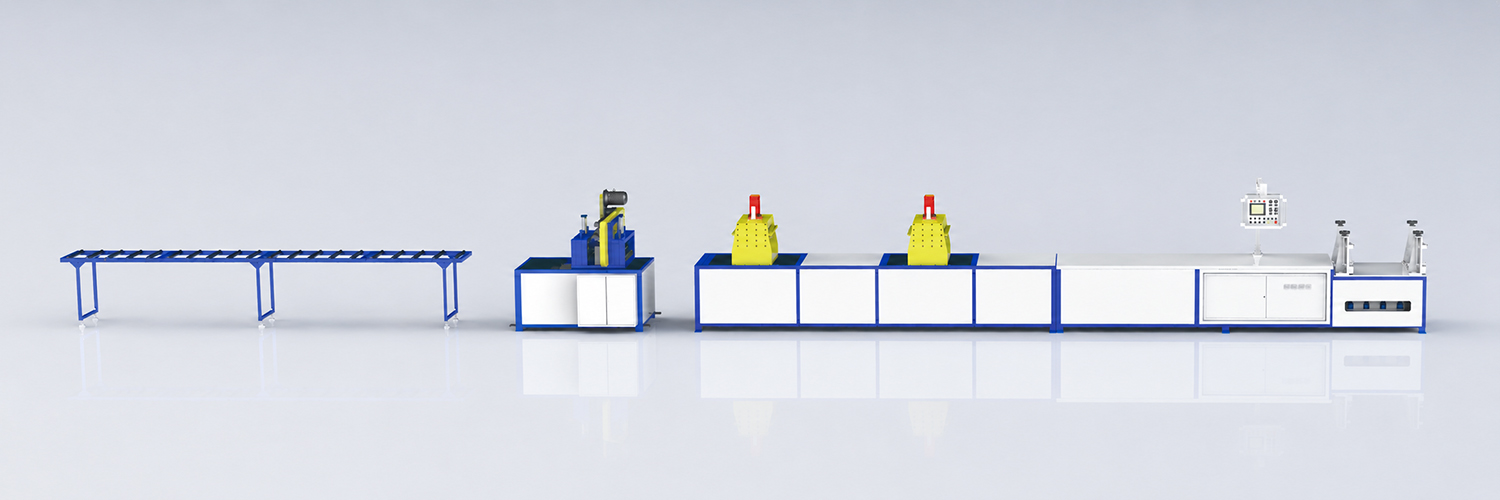
Provide the production interfaces
Describe the machine and line components the tool must connect to, using verified interface drawings where available. Clarify heating and control requirements, mounting, handling and inspection needs. Agree who develops any preforming components and who supplies trial materials. Distinguish the finished-part drawing from the specialist tooling design, which may incorporate process-specific features not shown in the product geometry.
A practical decision example
A drawing with a hollow section but no tolerances leaves the toolmaker uncertain about which features control acceptance. Mark the functional dimensions and discuss the rest. This makes the design review more useful than asking for the tightest possible tolerance everywhere.
Key checks
- Issue a revision-controlled product drawing
- Identify materials and machine interfaces
- Assign design and trial responsibilities
Next step
A complete drawing package makes quotations more comparable and reduces late questions. It also creates a clear reference for first trials, inspection and any subsequent tool revision.
Review the FRP pultrusion mould information and share your product specification for a configuration and scope discussion.