Shandong Gold Lead Machinery Co., Ltd.

Machine Layout Considerations for Caterpillar Pultrusion Lines
Caterpillar pultrusion line layouts need space for the process and for the work around it. Material replenishment, contact-component maintenance and product handling should be considered alongside the equipment footprint.
Lay out the full production sequence
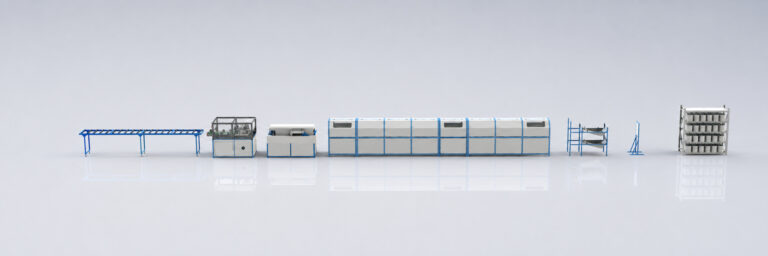
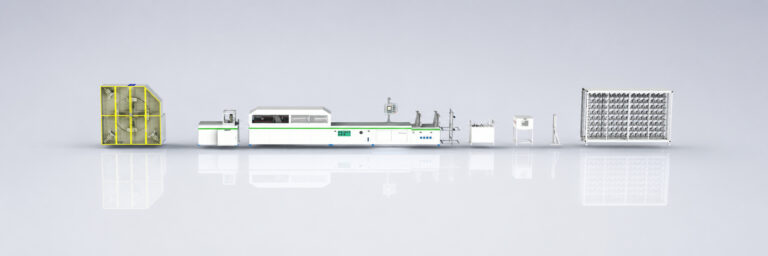
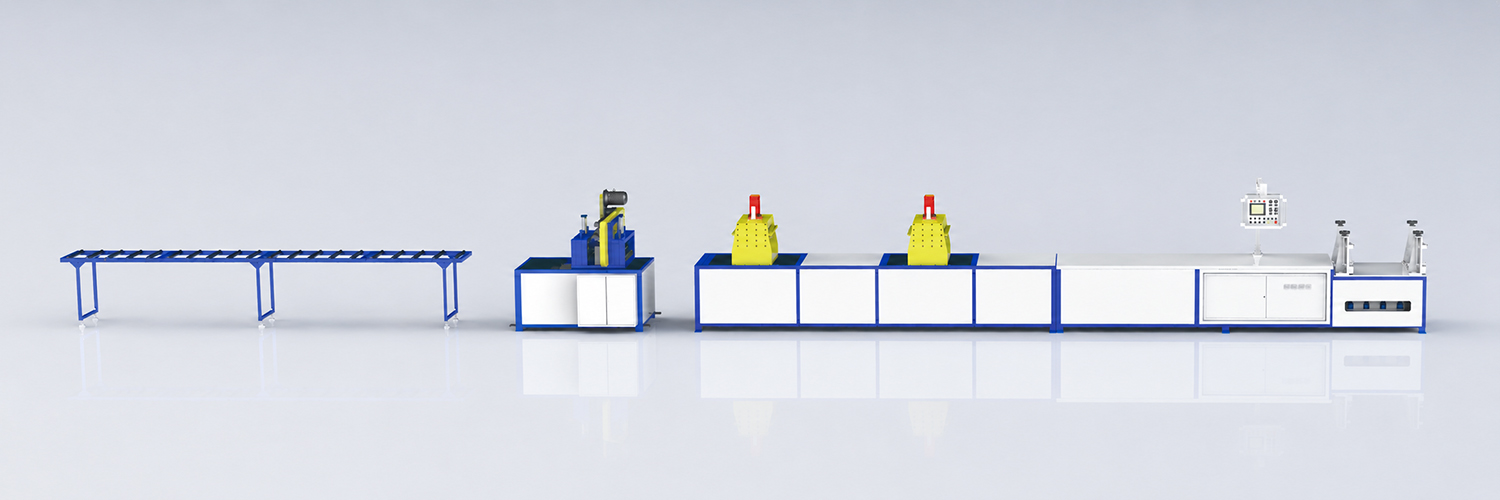
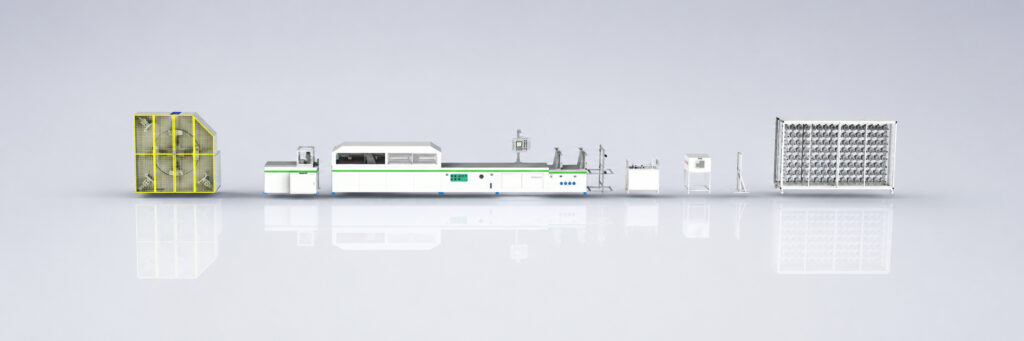
Use the proposed equipment list to position reinforcement supply, impregnation, tooling, traction, cutting and collection as applicable. Show the intended product lengths and support requirements. Keep the alignment references visible on the drawing. Identify where operators inspect material and where rejected output or start-up waste will go, rather than leaving those flows to be improvised.
Provide practical access
Ask for service clearances around tracks, pads, guides and other maintained components. Include the space and lifting access needed for tooling and contact-part changes. Coordinate utilities, ventilation or extraction interfaces, and safe circulation with site personnel. A narrow gap that allows passage may still be inadequate for a required maintenance operation.
A practical decision example
A line can fit between two walls while leaving insufficient access to replace track components. Add the supplier's service envelope to the layout before approval. Maintenance feasibility should be checked with the same care as the equipment footprint.
Key checks
- Show material, product and waste flows
- Include maintenance and changeover envelopes
- Coordinate utilities with safe access routes
Next step
Review the layout through an actual operating sequence before approval. This can reveal congestion or inaccessible components that a simple top-view footprint does not make obvious.
Review the caterpillar pultrusion equipment information and share your product specification for a configuration and scope discussion.