Shandong Gold Lead Machinery Co., Ltd.

Pultrusion Mould Heating: Process Considerations
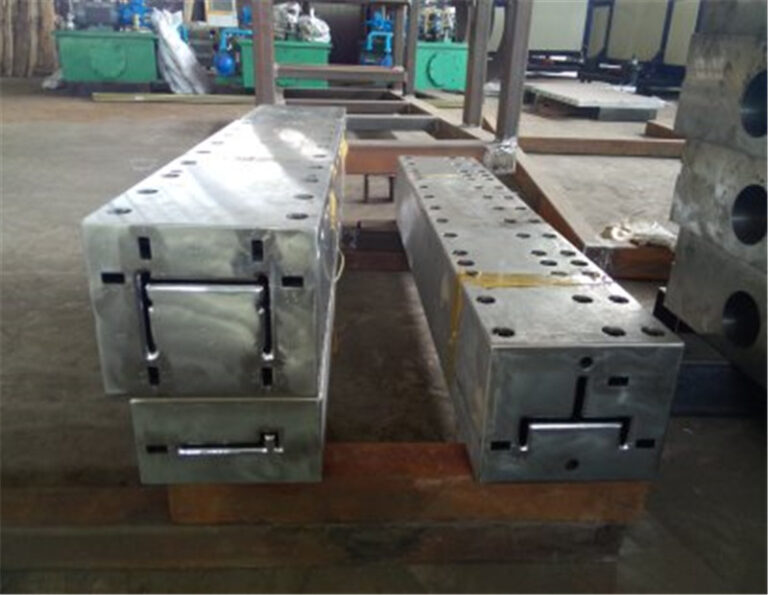
Pultrusion mould heating must support the resin system and profile being processed. Heater capacity or the number of control zones alone does not establish that the required cure conditions will be achieved throughout the product.
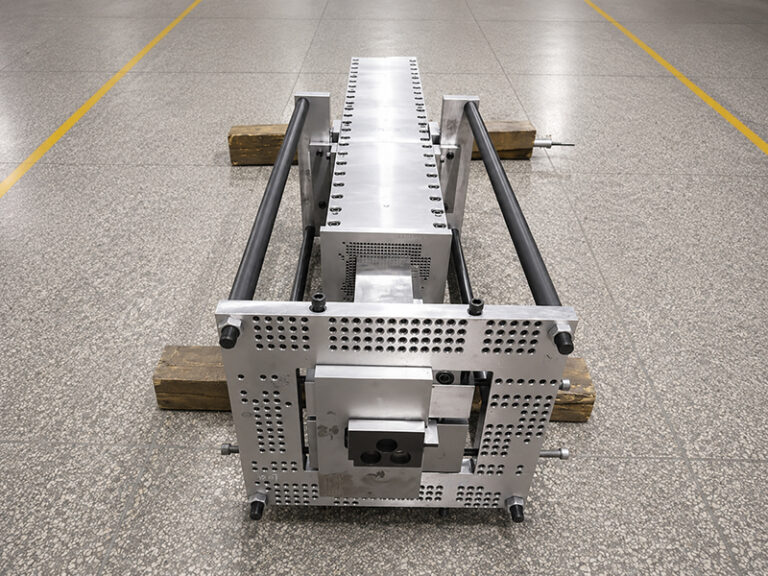
Review the heating and measurement arrangement
Ask the supplier to explain the proposed zones, sensor locations and control functions for the actual tooling. Distinguish displayed setpoints from measured temperatures and from the material's curing state. Review how the arrangement relates to the resin supplier's guidance and the section geometry. Avoid adopting a universal temperature schedule for different formulations and profiles.
Validate the process with product evidence
Trials should connect recorded operating conditions with the relevant product inspections or cure assessments. Investigate uneven results using both equipment and material evidence. Temperature instruments and controls need appropriate inspection and maintenance, while electrical and hot-tool work requires qualified personnel and the relevant safe procedures. Changes should remain within an approved process-development plan.
A practical decision example
A controller reaching its setpoint does not by itself show that the intended profile has achieved the required cure. Link heating records with the agreed product assessment. This distinction is especially useful when comparing an equipment-function test with a full process trial.
Key checks
- Identify zones and measurement locations
- Use resin-specific processing guidance
- Link temperature records to product verification
Next step
A heating specification is useful when it explains both control and validation. It should support an evidence-based process window rather than a promise that a particular setpoint guarantees complete cure.
Review the FRP pultrusion mould information and share your product specification for a configuration and scope discussion.