Shandong Gold Lead Machinery Co., Ltd.


News
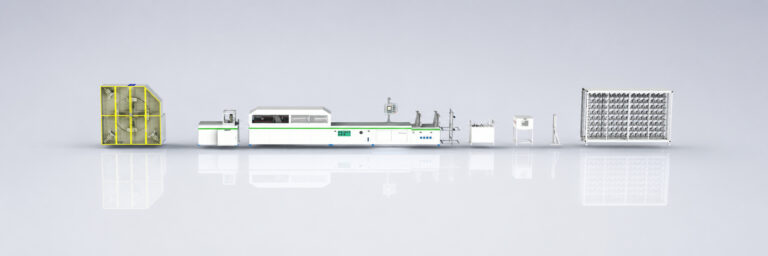
Common Puller Alignment Problems in Pultrusion
Puller alignment problems can appear as uneven contact, marking, unstable traction or dimensional concerns. These symptoms are clues, not a diagnosis, and should be reviewed against the approved line arrangement.
Machine Layout Considerations for Caterpillar Pultrusion Lines
Caterpillar pultrusion line layouts need space for the process and for the work around it. Material replenishment, contact-component maintenance and product handling should be considered alongside the equipment footprint.
HMI Controls on Automated Caterpillar Pultrusion Machines
An HMI can give operators a useful view of a caterpillar pultrusion line, but its capabilities depend on the supplied controls. A touchscreen does not automatically provide data logging, recipe management or remote diagnostics.
How to Evaluate Caterpillar Traction and Clamping Design
Evaluating caterpillar traction design means examining how contact, alignment and control work together on the intended profile. A machine photograph or headline pulling rating cannot establish that relationship on its own.
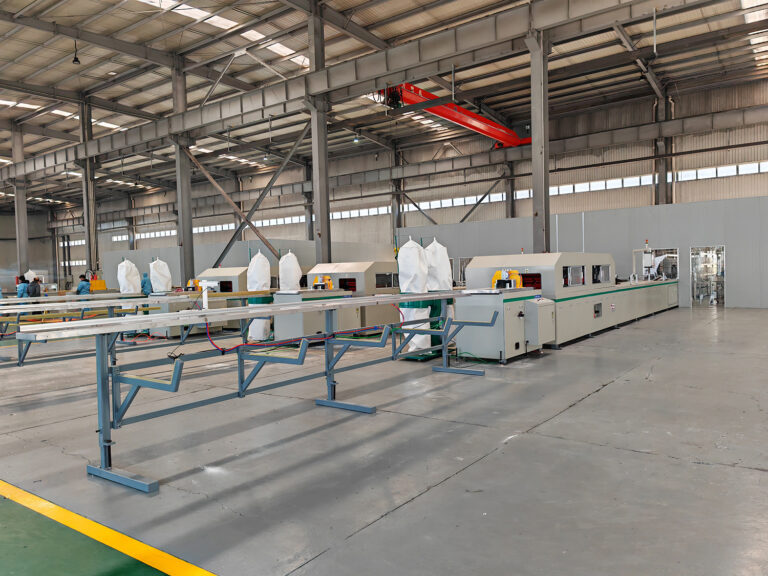
Composite Door Profile Dies and Puller Compatibility: Planning Questions
Composite door-profile production requires the die and puller to be reviewed together. The die establishes the section through the process, while the puller must contact and move that section without compromising its required geometry or finish.
Hollow FRP Profiles: Traction Contact, Deformation and Puller Selection
Hollow FRP profiles make puller selection a contact-design problem. The traction system must move the section without unacceptable local deformation, marking or slip, and the available contact surfaces may be constrained by the profile geometry.
Caterpillar Puller Pads and Chain Guides: Wear and Contact Considerations
Pads and chain-guide components influence how a caterpillar puller contacts and supports the profile. Their condition should be assessed using the machine's inspection criteria rather than a universal replacement interval.
How Caterpillar Pultrusion Pullers Grip and Move Composite Profiles
Caterpillar pultrusion pullers use moving contact elements to grip and advance the profile. Their suitability depends on the contact arrangement, the product geometry and the way traction is controlled under the intended process conditions.
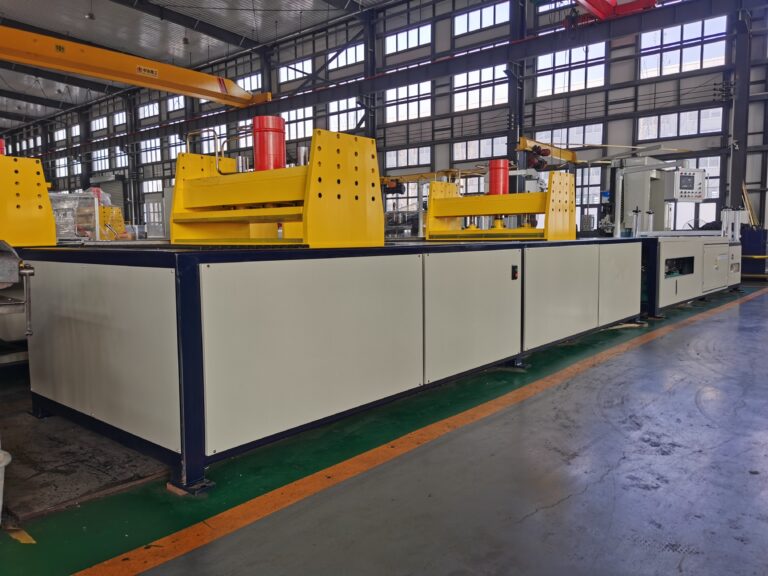
Maintenance Questions for Hydraulic Pultrusion Equipment
Maintenance planning for hydraulic pultrusion equipment should be based on the supplied machine and its operating conditions. Buyers can clarify the support requirements before ordering instead of discovering them when a component needs attention.
Common Causes of Unstable Pulling in Hydraulic Pultrusion
Unstable pulling in hydraulic pultrusion should be investigated as a process symptom. The puller may be involved, but changes in tooling resistance, material condition or alignment can also appear as irregular traction.
Hydraulic Pultrusion Line Layout: Planning Checklist
A hydraulic pultrusion line layout must provide more than space for the main machine. It should support material flow, tooling access, maintenance and safe movement around every stage of production.
Reciprocating Puller Stroke Sequencing and Handover: Control Basics
Stroke sequencing and handover determine how a reciprocating puller coordinates its gripping and travel actions. Buyers and production teams need to understand the offered control concept without treating a general description as a machine-specific setup procedure.