Shandong Gold Lead Machinery Co., Ltd.

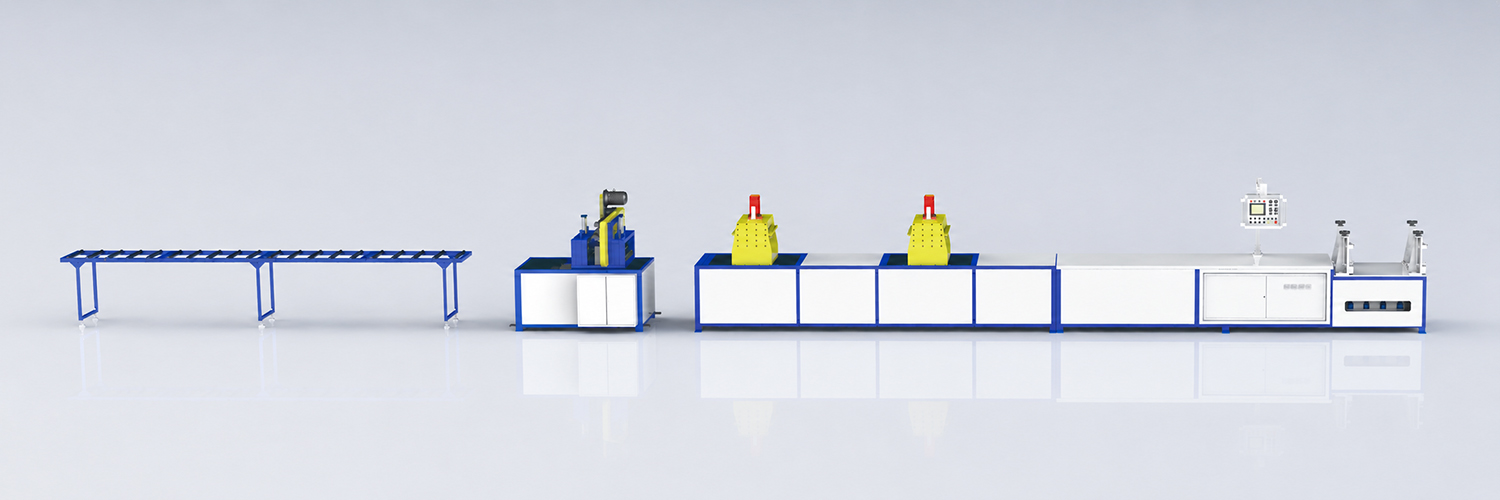
Reciprocating Puller Stroke Sequencing and Handover: Control Basics
Stroke sequencing and handover determine how a reciprocating puller coordinates its gripping and travel actions. Buyers and production teams need to understand the offered control concept without treating a general description as a machine-specific setup procedure.
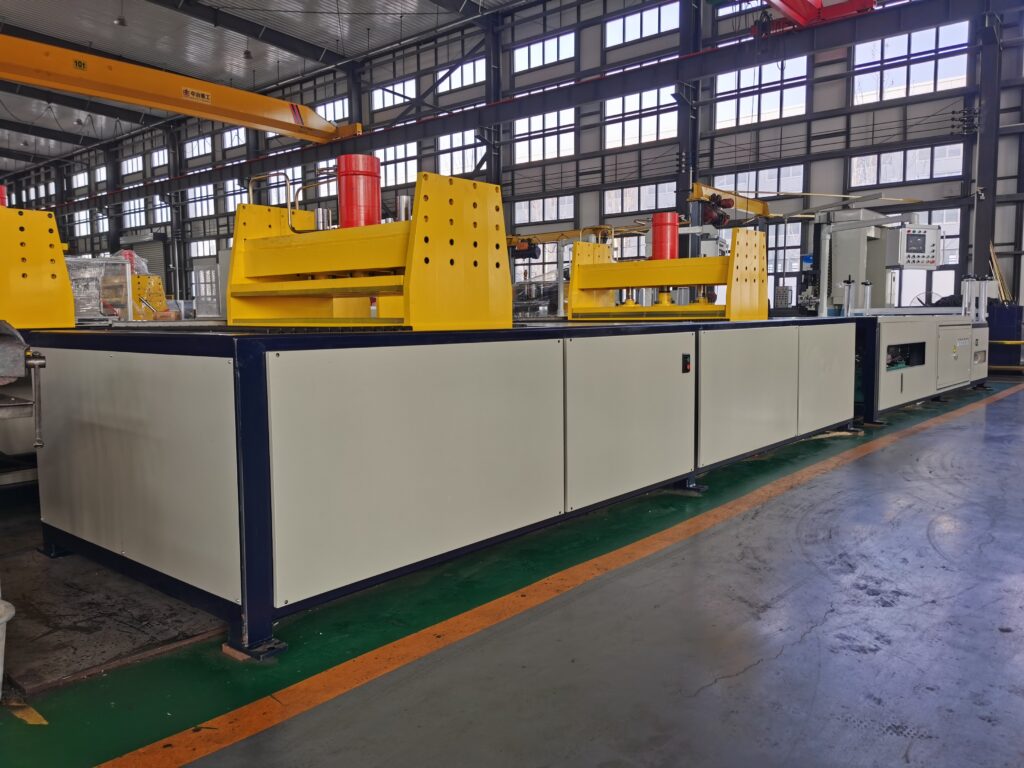
Ask how the sequence is controlled
Request the supplier's explanation of the working, return and handover stages for the actual machine. Identify what the operator can observe and which parameters are restricted to authorised adjustment. Ask how the system responds to abnormal conditions and what records or alarms are available. The presence of an HMI does not by itself establish a particular control or logging capability.
Evaluate handover with the product
During an agreed trial, observe whether the process and finished profile meet the acceptance criteria through the repeated sequence. Record any movement irregularity, surface marking or other relevant symptom together with the operating conditions. Troubleshooting should consider the complete line and follow the supplier's procedures. Do not change timing or control logic experimentally during production without the appropriate review.
A practical decision example
An HMI may allow operators to view sequence timing without authorising them to change it. Clarify access levels and escalation procedures during training. This prevents a troubleshooting attempt from becoming an undocumented control change that is difficult to reverse or interpret.
Key checks
- Review the actual machine sequence
- Clarify operator access and alarm functions
- Assess product behaviour through repeated handovers
Next step
Include sequencing and abnormal-condition training in handover documentation. That helps operators distinguish normal machine behaviour from a condition requiring technical support.
Review the hydraulic reciprocating pultrusion equipment information and share your product specification for a configuration and scope discussion.