Shandong Gold Lead Machinery Co., Ltd.

How Hydraulic Reciprocating Pullers Generate Continuous Pultrusion Traction
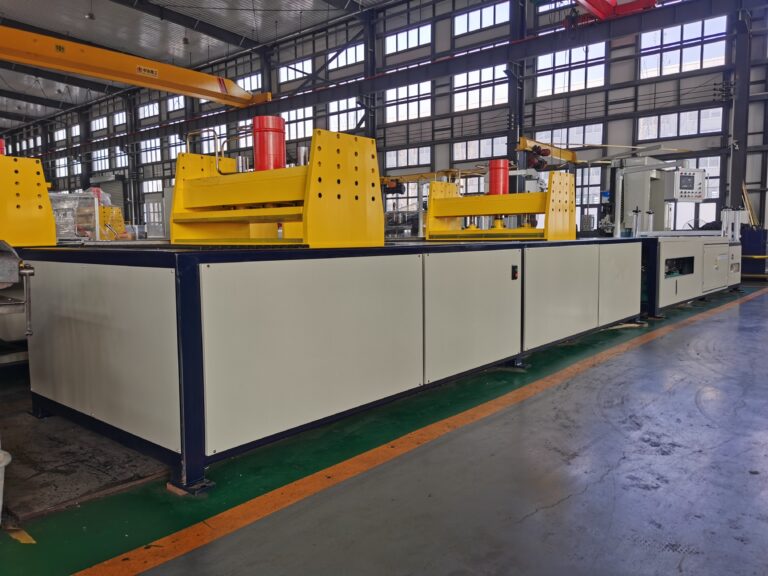
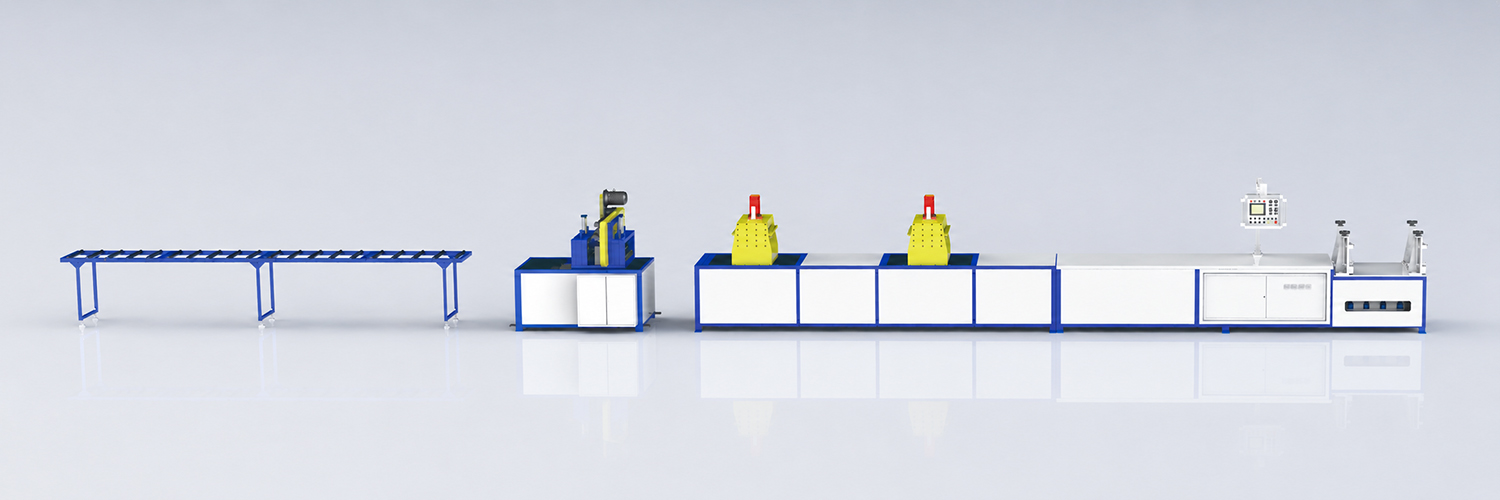
Hydraulic reciprocating pultrusion pullers use coordinated gripping and travel actions to move a profile through the line. Understanding the sequence helps buyers ask useful questions about handover, control and contact with the product.
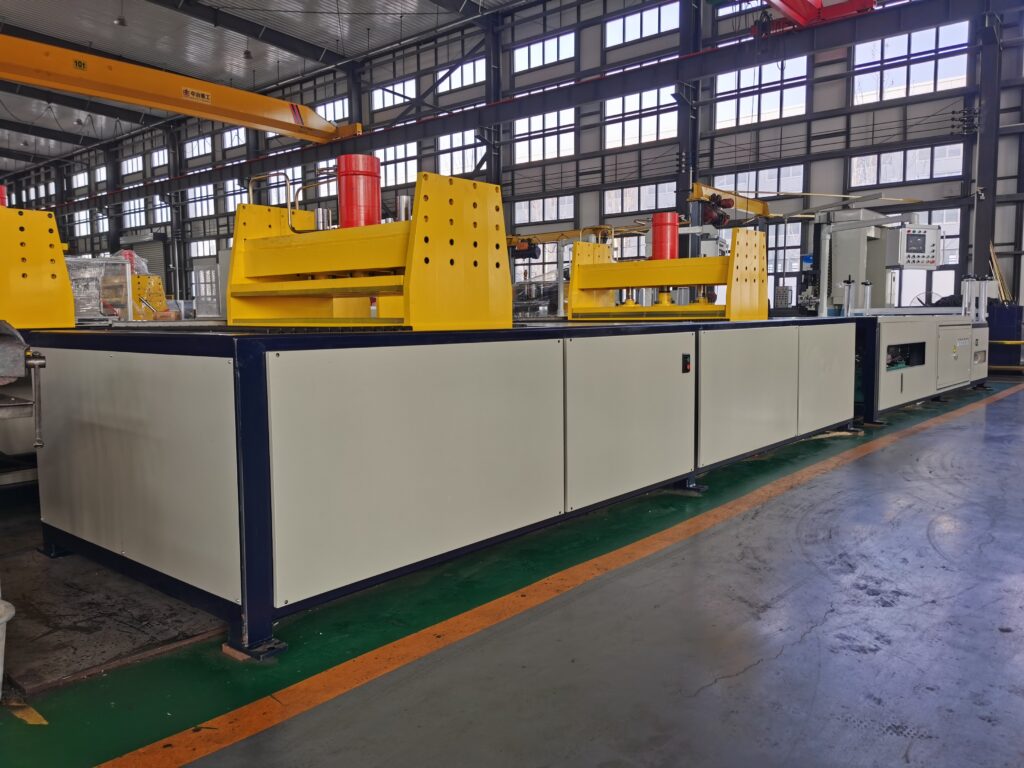
Understand the traction sequence
In a reciprocating arrangement, pulling units alternate their working and return actions according to the machine design. Coordination is intended to maintain the required product movement while a unit changes state. The exact sequence, overlap and control method must be confirmed for the offered machine. A simplified description should not be mistaken for a commissioning procedure.
Review the product and control interfaces
Ask how gripping surfaces suit the profile and how the machine manages handover under representative operating conditions. Request information about monitoring, alarms and operator adjustments that are actually included. Discuss access for approved maintenance and the prevention of exposure to moving or pressurised equipment. Product trials should assess traction stability and surface condition as well as whether the mechanism moves.
A practical decision example
If a profile shows a repeating mark that appears related to handover, record its timing against the machine sequence. Do not assume the sequence is defective from the mark alone. Compare contact, alignment and process evidence through the supplier's approved investigation method.
Key checks
- Request the machine's sequence explanation
- Check clamping compatibility with the profile
- Define observable handover acceptance criteria
Next step
A clear sequence review helps connect the hydraulic puller specification to the intended production task. It also identifies which operating details belong in the supplier's training and machine documentation.
Review the hydraulic reciprocating pultrusion equipment information and share your product specification for a configuration and scope discussion.