Shandong Gold Lead Machinery Co., Ltd.

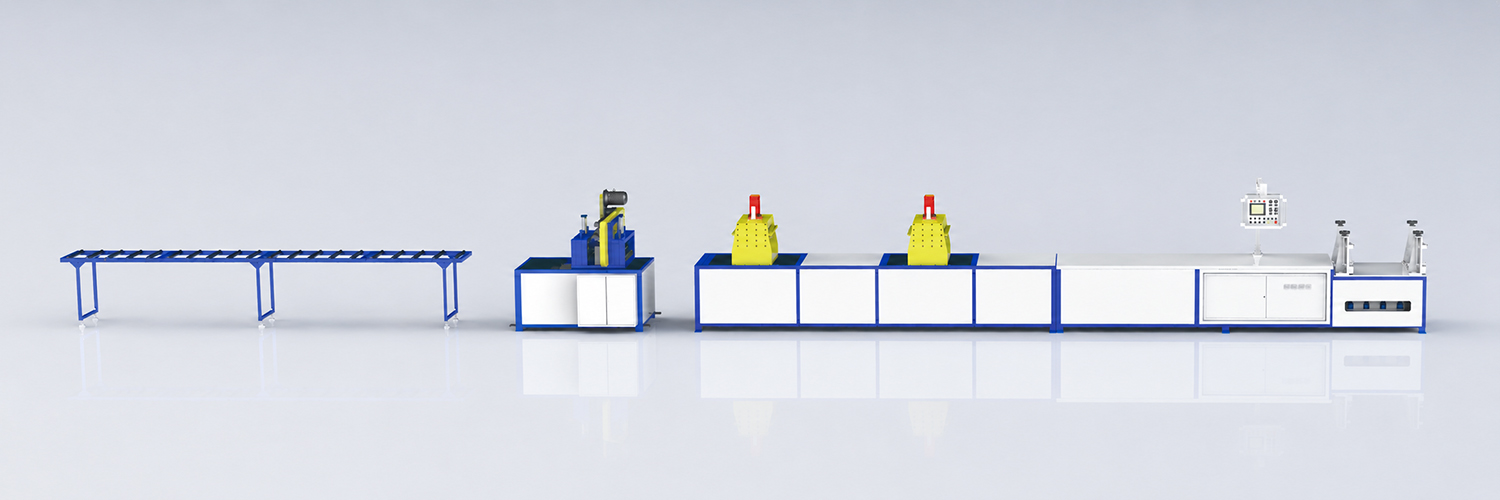
Common Causes of Unstable Pulling in Hydraulic Pultrusion
Unstable pulling in hydraulic pultrusion should be investigated as a process symptom. The puller may be involved, but changes in tooling resistance, material condition or alignment can also appear as irregular traction.
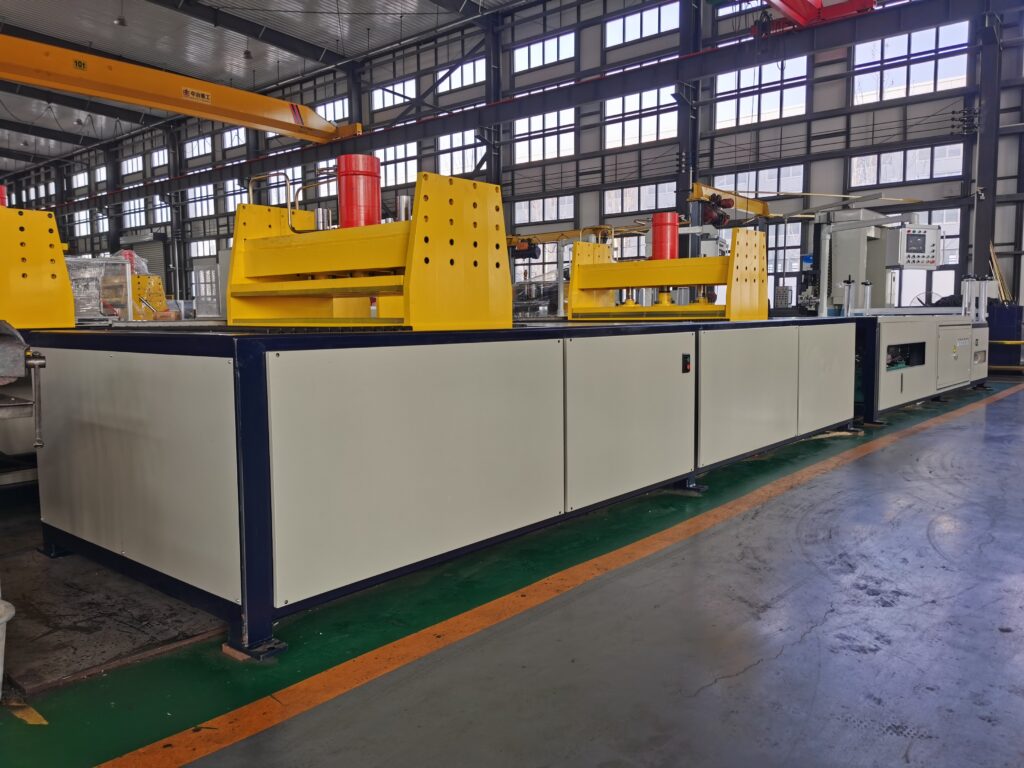
Describe the instability precisely
Record whether the symptom involves slip, uneven movement, marking, deformation or another observable change. Note its timing relative to the puller sequence and any recent material, tooling or setup changes. Preserve relevant machine records where available. Avoid changing several settings at once, because that makes it difficult to identify which condition affected the result.
Investigate through an approved sequence
Qualified personnel can review clamping condition, alignment and machine behaviour alongside upstream process evidence. Intrusive inspection must follow the equipment's isolation and safe-maintenance procedures. Check the approved setup and consult the supplier where limits or symptoms are unclear. Do not compensate for unexplained resistance by increasing force or pressure beyond an assessed operating arrangement.
A practical decision example
If unstable pulling begins after a material change, preserve that information even when the visible symptom is at the puller. Review the complete process before adjusting traction. The location where a problem becomes visible is not necessarily where it originates.
Key checks
- Record symptoms and recent changes
- Compare machine and process evidence
- Verify the correction under controlled conditions
Next step
A useful troubleshooting record links the observed problem, the evidence, the authorised change and the result. That makes recurring instability easier to diagnose than a history of undocumented adjustments.
Review the hydraulic reciprocating pultrusion equipment information and share your product specification for a configuration and scope discussion.