Shandong Gold Lead Machinery Co., Ltd.

Hydraulic vs Caterpillar Pultrusion Machines: Selection Criteria for Buyers
Choosing between hydraulic reciprocating and caterpillar pultrusion equipment starts with the profile and process you need to run. A machine-family label alone cannot establish whether an offered line will meet your surface, dimensional or production requirements.
A useful comparison examines the pulling arrangement, contact with the product, control behaviour, maintenance needs and evidence from a representative trial. The objective is to identify a suitable configuration and the questions that remain open before purchase.
Define the application before comparing pulling systems
Describe the profile and material system
Prepare drawings for the intended profiles, including wall geometry, dimensional tolerances, surface requirements and cut lengths. Identify the reinforcement and resin system, or flag material decisions that are still open. The supplier needs this information to explain its proposed tooling and pulling arrangement.
State what a successful trial must demonstrate
Define the product-quality checks and production objectives you want to evaluate. Keep the requested output target separate from any supplier commitment. A comparison is difficult to interpret if one proposal assumes a different profile, material, surface criterion or operating condition.
Understand the pulling arrangements being offered
Questions for hydraulic reciprocating equipment
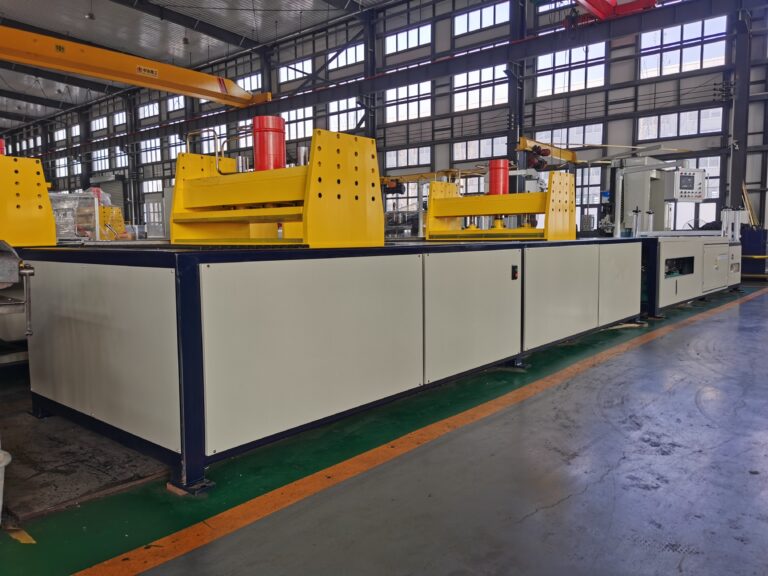
For a hydraulic reciprocating proposal, ask the supplier to explain how the pulling units grip the profile, move through their strokes and transfer the pulling duty. Request the actual control sequence and drawings for the offered model. The name alone does not establish how the handover works or how product motion is managed.
Check the proposed clamping contact, adjustment method and product support. Ask how the configuration accommodates your profile geometry and what evidence will be used to assess surface marking and dimensional consistency.
Questions for caterpillar equipment
For a caterpillar proposal, ask for details of the contacting elements, contact length, adjustment arrangement and product support. Confirm how the offered system maintains traction on the intended profile and how the contact surfaces are inspected or replaced.
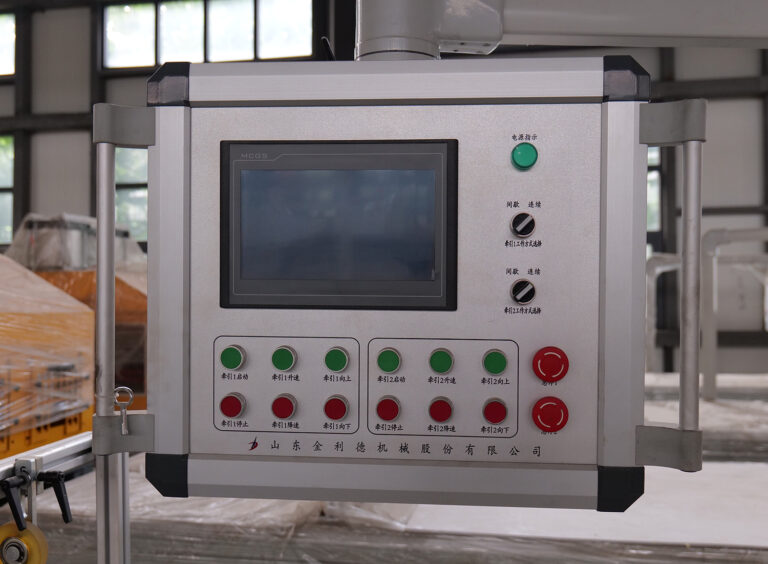
Request an explanation of control functions and limits for the actual machine. Do not assume that a general description of caterpillar equipment proves a particular speed, finish or maintenance advantage.
Compare requirements and evidence side by side
| Selection criterion | Questions for both proposals | Evidence to request |
|---|---|---|
| Profile fit | How does the pulling arrangement accommodate the intended geometry? | Contact and support drawings for the proposed profile |
| Surface quality | How will marking or surface damage be assessed? | Agreed appearance criteria and inspected trial samples |
| Dimensional consistency | How will dimensions be checked during the trial? | Sampling plan, instruments and recorded results |
| Traction and motion | How are pulling conditions controlled and observed? | Model-specific control explanation and trial records |
| Production performance | What output is proposed, under which material and quality conditions? | Defined trial conditions and accepted-output records |
| Changeover | What adjustments, fixtures or contact parts change between profiles? | Changeover procedure and required parts list |
| Maintenance | Which contact and drive components need inspection or replacement? | Manual, access drawings and wear-parts schedule |
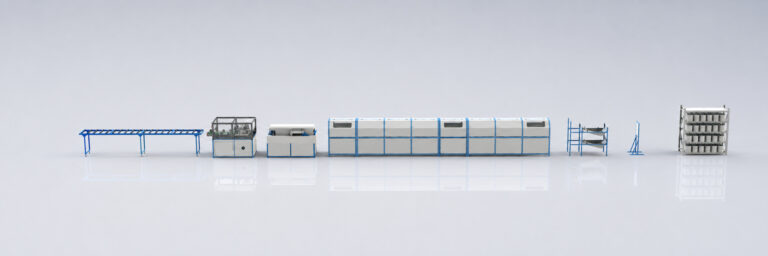
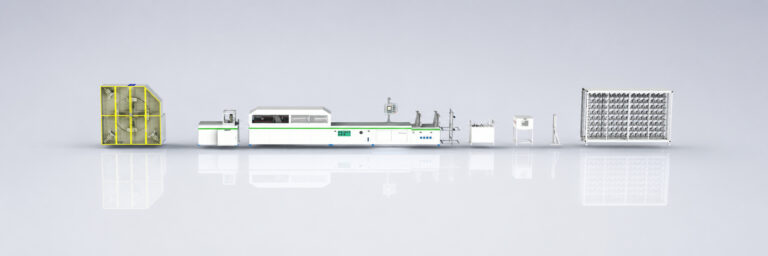
| Line integration | How does pulling coordinate with tooling, cutting and handling? | Offered line layout and interface description |
| Utilities and cost | What is required by the complete offered configuration? | Utility schedule and itemized commercial scope |
Leave an assessment marked “not demonstrated” where the evidence is missing. Avoid filling the worksheet with general assumptions such as “hydraulic is always stronger” or “caterpillar is always faster.” Each comparison needs to refer to the offered configuration and application.
Plan a representative comparison trial
Use comparable inputs
Agree the profile, reinforcement, resin, tooling conditions and product acceptance requirements before the trial. Record any differences between the trials so the results are not presented as equivalent when their conditions differ.
Ask the supplier to identify the operating settings, measuring instruments and observation method. The acceptance criteria and trial duration should be agreed for the project rather than copied from an unrelated installation.
Inspect the product as well as the machine
Observe how the profile is contacted and supported, then review the resulting surface and dimensional records. Record interruptions, adjustments and rejected material alongside production measurements. A short observation of motion does not establish sustained accepted output.
Where a profile has thin or hollow sections, request a dedicated review of contact loading and deformation. Keep that application-specific assessment separate from the general comparison of equipment families.
Include maintenance and changeover in the decision
Ask operators and maintenance staff to review the proposed arrangement. Determine how contact parts are inspected, how alignment is checked, what access is required and which tasks must be performed by qualified personnel. Obtain the model-specific instructions rather than extrapolating from another machine.
For a mixed product range, identify the parts and adjustments required when changing profiles. Request supporting procedures and include any additional fixtures or tooling in the quotation. Compare costs only when the supply and service boundaries are clear.
Turn the comparison into a configuration enquiry
Review Gold Lead’s caterpillar pultrusion machine range and hydraulic reciprocating machine range as starting points for a technical discussion.
Send the intended profile drawings, material system, quality criteria and factory constraints. Ask Gold Lead to identify the proposed configuration, explain its selection rationale and state which requirements need trial verification. A decision supported by those documents is more useful than choosing a pulling concept solely from a headline specification.