Shandong Gold Lead Machinery Co., Ltd.

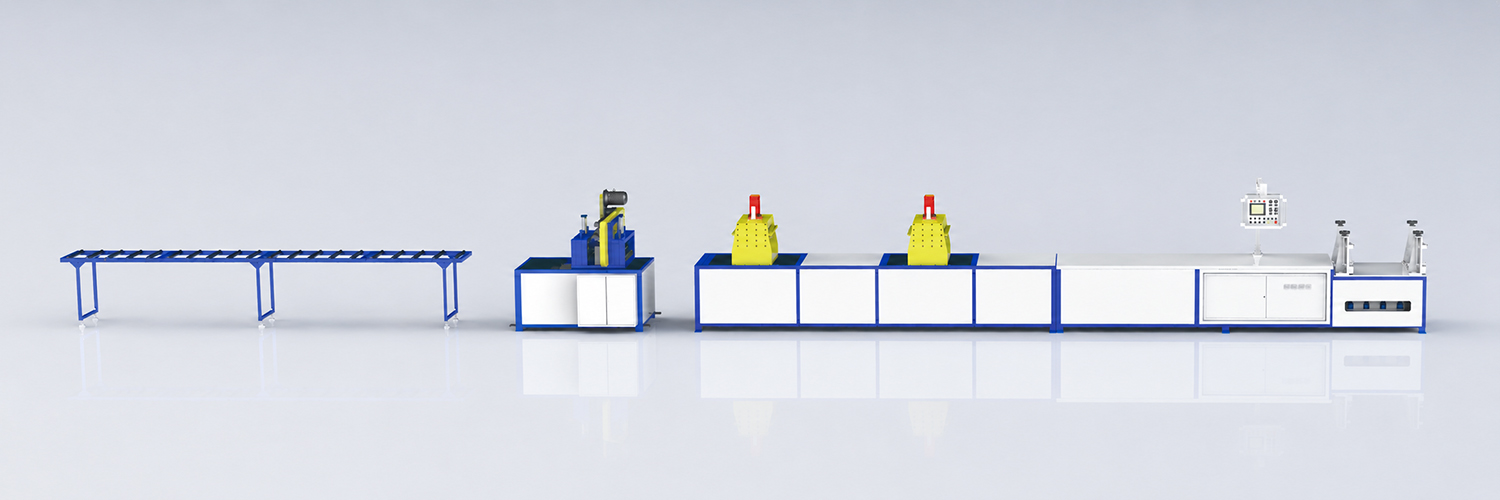
Factory Acceptance Testing Questions for FRP Pultrusion Lines
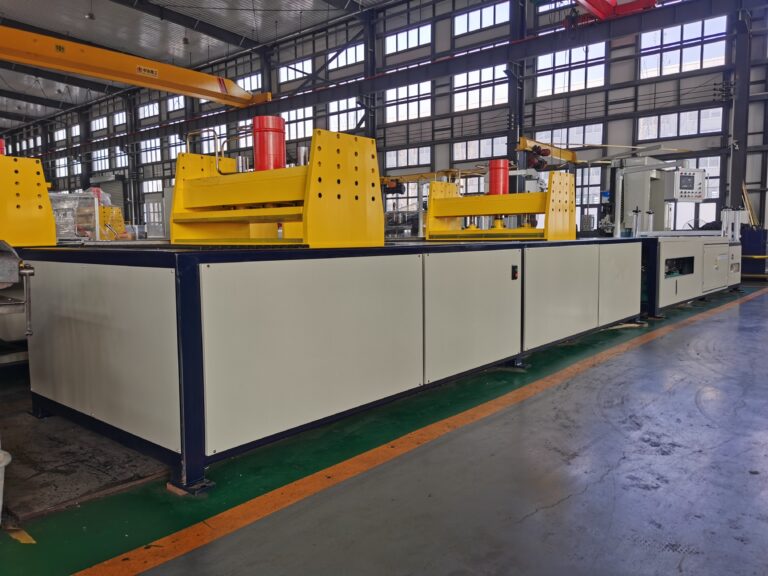
Factory acceptance testing for an FRP pultrusion line should verify agreed requirements before shipment. A useful FAT records the equipment, materials, conditions and results so that both parties understand what has actually been demonstrated.
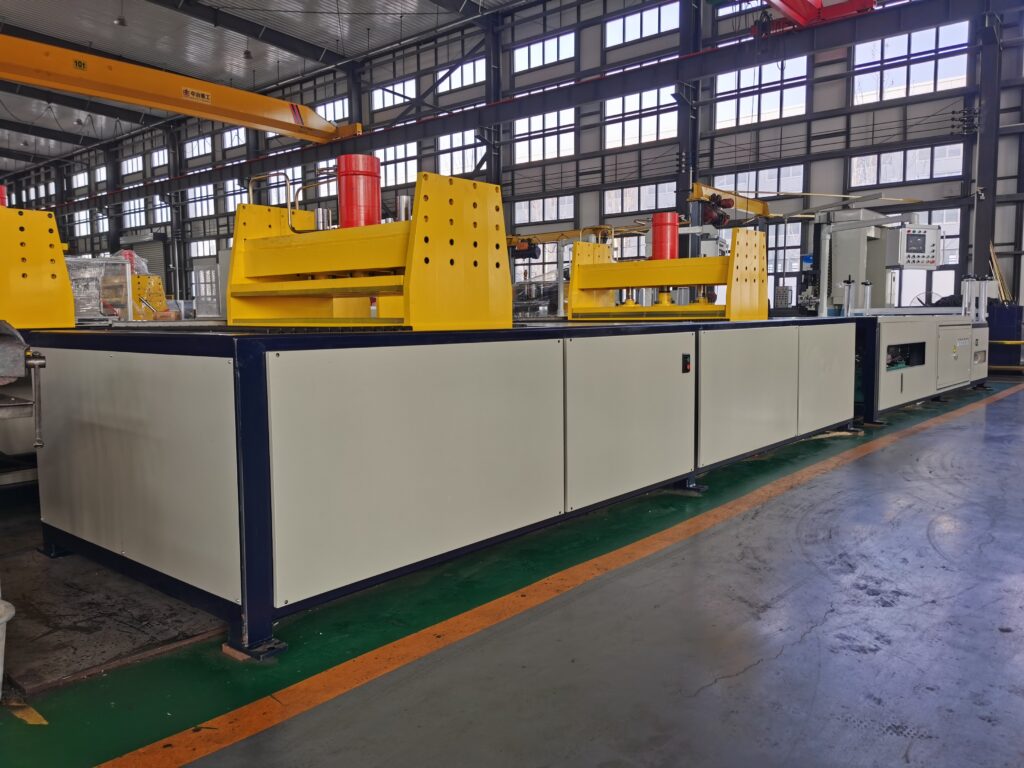
Define the test basis in advance
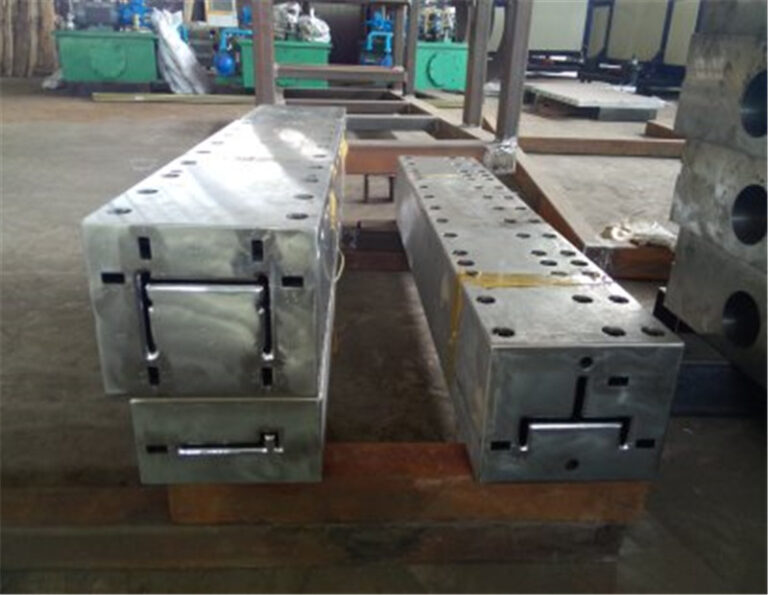
Agree the configuration, representative product, tooling and material system. List functional checks and measurable product criteria, with suitable inspection methods and instruments. Clarify who provides materials and who witnesses or reviews results. Separate factory-test scope from site commissioning and final product qualification. A demonstration on a different profile should be identified as such rather than treated as equivalent evidence.
Record outcomes and unresolved items
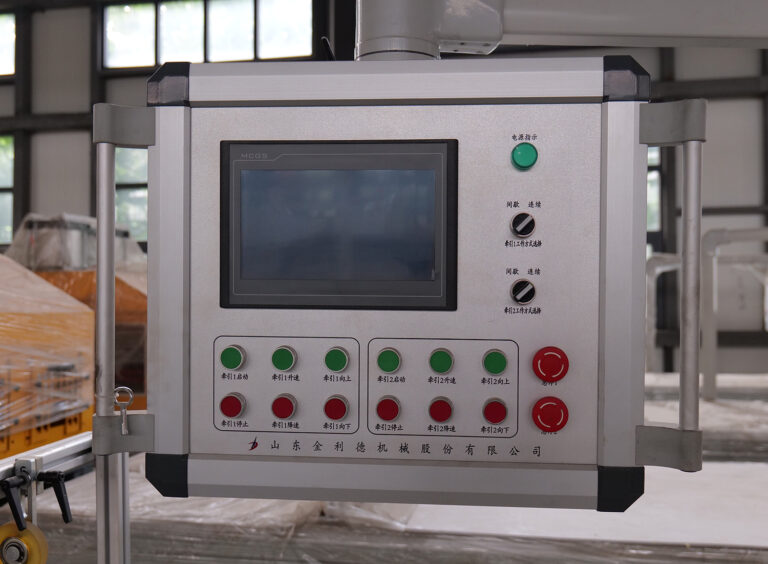
Document relevant settings, operating conditions, interruptions and inspection results. Confirm the supplied controls, safety-related checks within the agreed qualified procedure, documentation and accessories. Record deviations and assign corrective actions, retests or agreed follow-up. Do not describe the line as fully accepted while material acceptance conditions remain unresolved.
Prepare a FAT record that can be reviewed later
| Record section | What it should establish |
|---|---|
| Configuration | Machine, supplied options, tooling and document revisions |
| Trial materials | Reinforcement, resin and batch identification |
| Test method | Agreed sequence, measurements and acceptance criteria |
| Observed results | Actual functions, product results and relevant conditions |
| Deviations | Open items, corrective actions and retest requirements |
| Handover | Accepted scope, limitations and remaining site checks |
Separate functional checks from production evidence
A functional test can show that a supplied action, alarm, display or record works as agreed. A product trial examines output under specified material and process conditions. Neither should be silently substituted for the other. Safety-related verification must follow the agreed procedure with appropriately qualified personnel; an informal demonstration is not a substitute for the applicable assessment.
For product results, identify the inspection method and instruments and retain traceable samples where required. Record interruptions and rejected output as well as successful periods. If any material or tooling differs from the agreed trial basis, assess and document the limitation before interpreting the result.
Close the test with an explicit acceptance decision
Classify each requirement as demonstrated, not demonstrated or outside the agreed test scope. Assign actions for unresolved items and state whether further factory testing or site verification is needed. The signed record should make clear what shipment or handover depends on. That clarity is more useful than a general statement that the line ran successfully.
A practical decision example
If FAT uses substitute material because the agreed resin is unavailable, record the substitution and its limits before interpreting the result. Some equipment functions may still be demonstrated, while product-specific capability remains open. The acceptance report should preserve that distinction.
Key checks
- Agree representative materials and criteria
- Record conditions and measurable results
- Close deviations through documented actions
Next step
A well-structured FAT reduces ambiguity at shipment and handover. It gives the site team a clear starting point for installation and the remaining checks that must occur under actual factory conditions.
Review the pultrusion equipment range and share your product specification for a configuration and scope discussion.