Shandong Gold Lead Machinery Co., Ltd.

How Caterpillar Pultrusion Pullers Grip and Move Composite Profiles
Caterpillar pultrusion pullers use moving contact elements to grip and advance the profile. Their suitability depends on the contact arrangement, the product geometry and the way traction is controlled under the intended process conditions.
Review the contact path
Ask the supplier to explain the actual track, pad and guide arrangement for the offered machine. Identify the surfaces that contact the profile and how the contact components suit its shape. A continuous moving mechanism does not automatically guarantee damage-free traction. Hollow sections, thin walls and appearance-critical surfaces still need an appropriate contact and support review.
Assess operation with representative material
Discuss how setup, alignment and contact condition are checked. During an agreed trial, inspect the product for slip-related effects, marks or deformation and record the operating conditions. Clarify which components are wear items and how they are safely replaced. Do not infer included monitoring or automatic adjustment functions from the machine family name alone.
A practical decision example
A caterpillar puller demonstrated on a robust solid profile may need different contact components for a hollow section. Ask for the intended product's contact review and trial evidence. The moving-track concept alone does not establish compatibility with every section geometry.
Key checks
- Match contact components to the profile
- Inspect product condition during trials
- Confirm wear-part and adjustment procedures
Next step
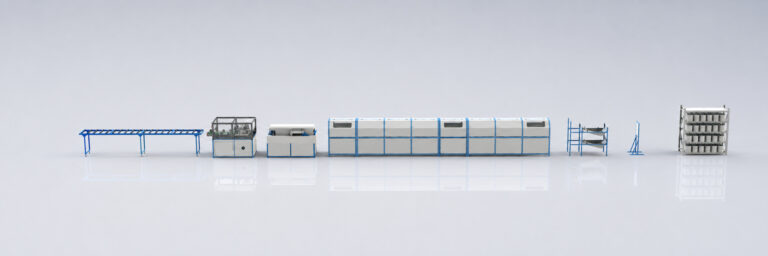
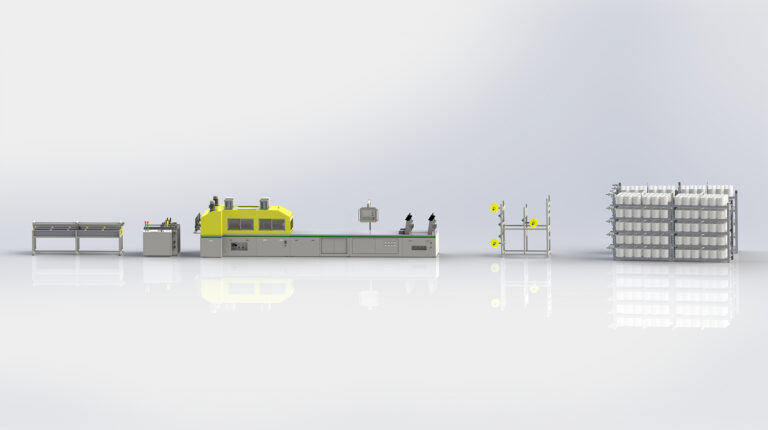
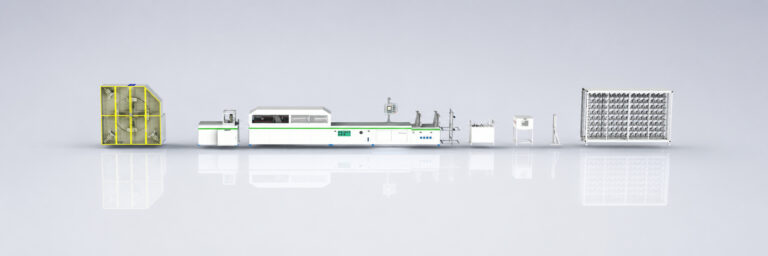
Evaluate the caterpillar puller as part of the complete line. Its traction arrangement must work with tooling resistance, process stability and downstream handling to produce an acceptable profile.
Review the caterpillar pultrusion equipment information and share your product specification for a configuration and scope discussion.