Shandong Gold Lead Machinery Co., Ltd.

How to Evaluate Caterpillar Traction and Clamping Design
Evaluating caterpillar traction design means examining how contact, alignment and control work together on the intended profile. A machine photograph or headline pulling rating cannot establish that relationship on its own.
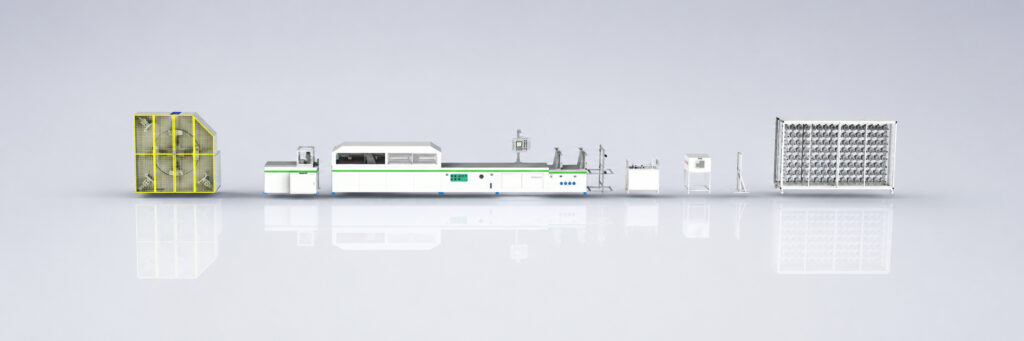
Review the contact and adjustment concept
Ask the supplier to identify the contact components, supported profile range and method of adjustment. Provide representative sections, including hollow or thin features. Discuss how contact is distributed and which surfaces may show marks. Confirm whether different products need different pads or other components. Keep any claimed limits tied to the actual offered configuration.
Define evidence for an acceptable result
Agree a trial that examines traction stability, profile dimensions and surface condition under stated conditions. Review the available monitoring and alarm functions without assuming they are included. Ask how operators establish the approved setup and how maintenance staff inspect wear and alignment. A suitable design should have a clear operating and service method, not simply enough force to keep the line moving.
A practical decision example
An offer may describe adjustable contact without stating which profile shapes need replacement pads. Ask for the limits of adjustment and the additional parts. This separates routine setup from a product change that requires a different mechanical configuration.
Key checks
- Review actual contact components
- Test representative sections and surfaces
- Confirm setup, monitoring and maintenance scope
Next step
Use the evidence to compare complete traction proposals. This keeps the selection focused on repeatable product quality and supportability rather than isolated mechanical features.
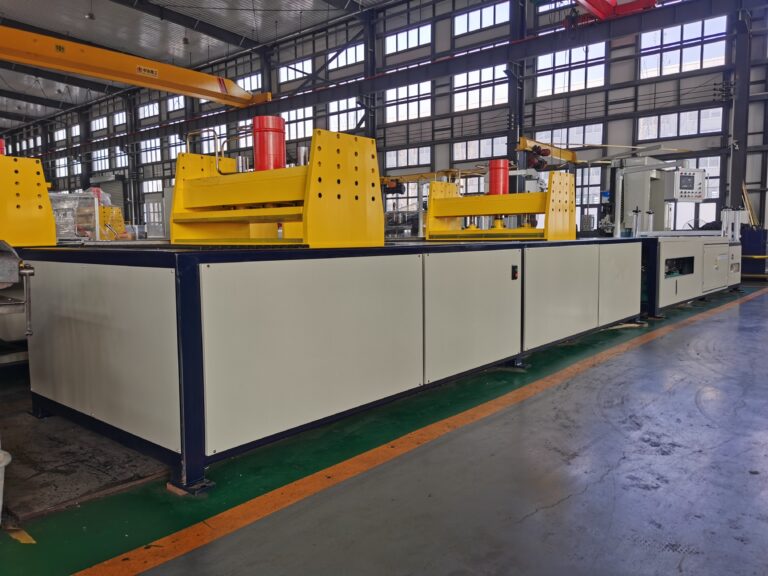
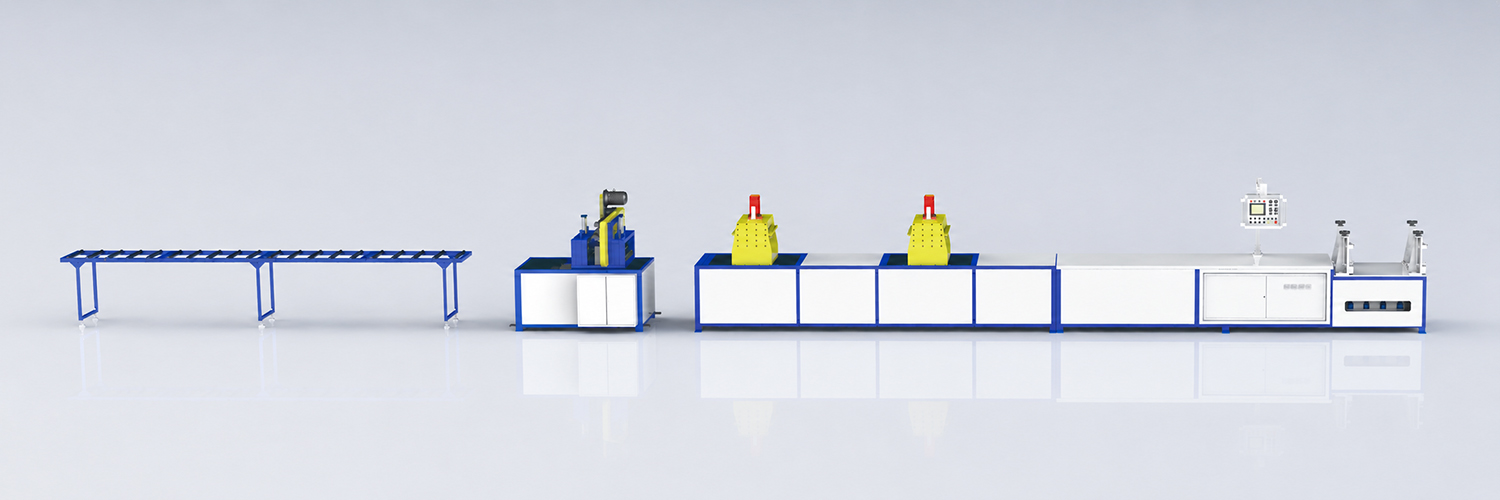
Review the caterpillar pultrusion equipment information and share your product specification for a configuration and scope discussion.