Shandong Gold Lead Machinery Co., Ltd.

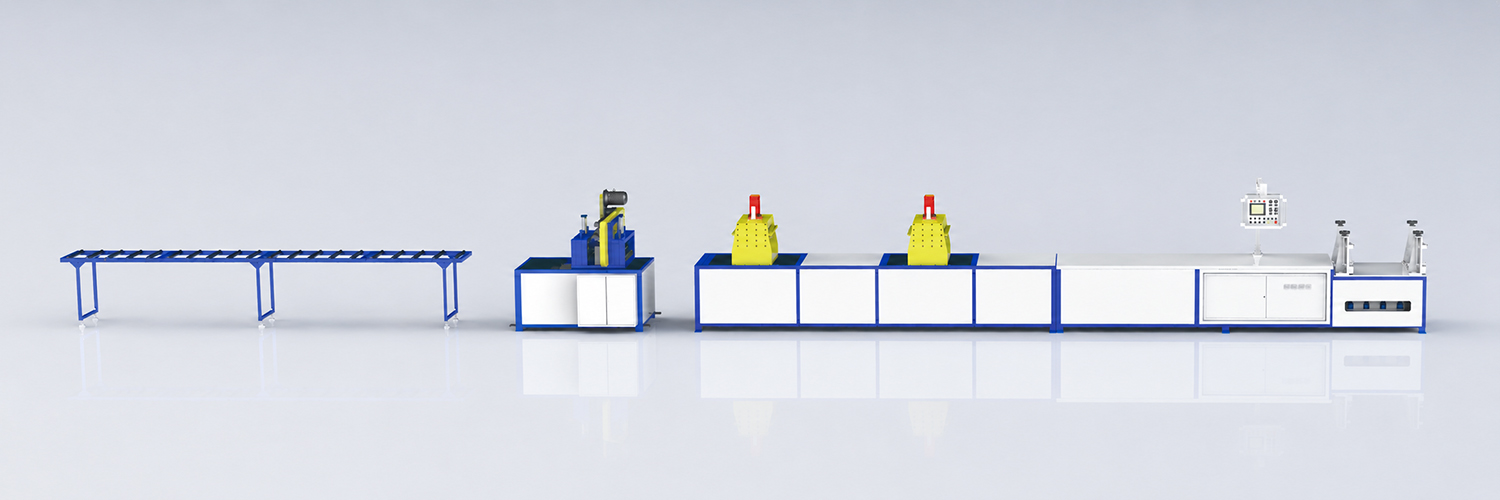
Selecting Pultrusion Equipment for Different Profile Shapes
Pultrusion equipment selection begins with the profile family. A flat strip, a solid rod and a hollow section can place different demands on reinforcement placement, tooling, traction and downstream support.
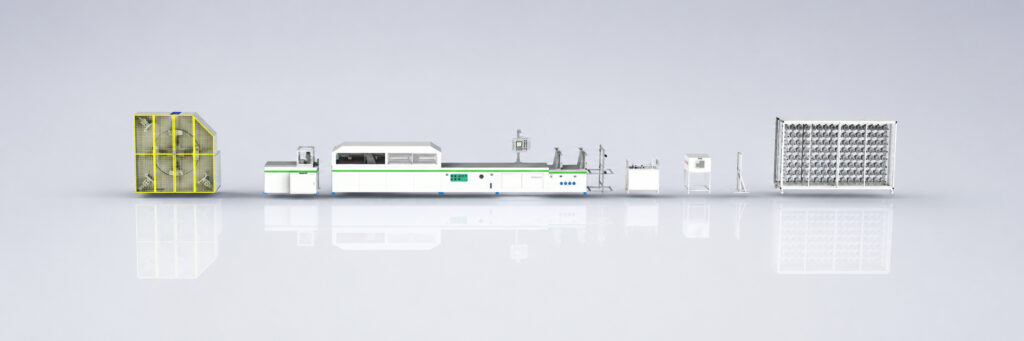
Describe the section in useful detail
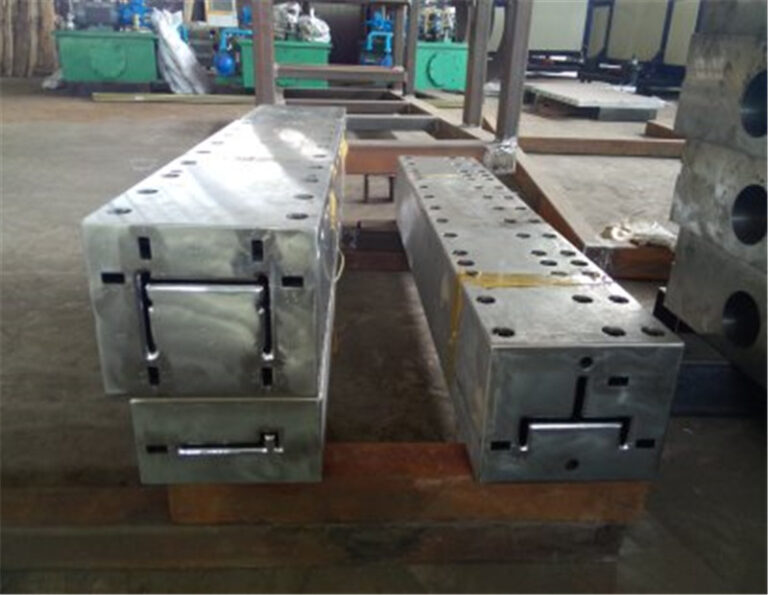
Provide drawings with dimensions, tolerances, wall features and intended material architecture. Identify critical surfaces and the requirements that drive the design. Explain whether the line will make one product or a range of sections. The largest outside dimension alone does not describe tooling complexity, contact surfaces or the practical changeover requirements.
Review the line as a matched system
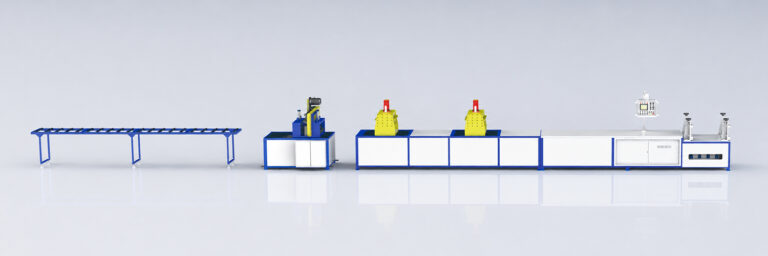
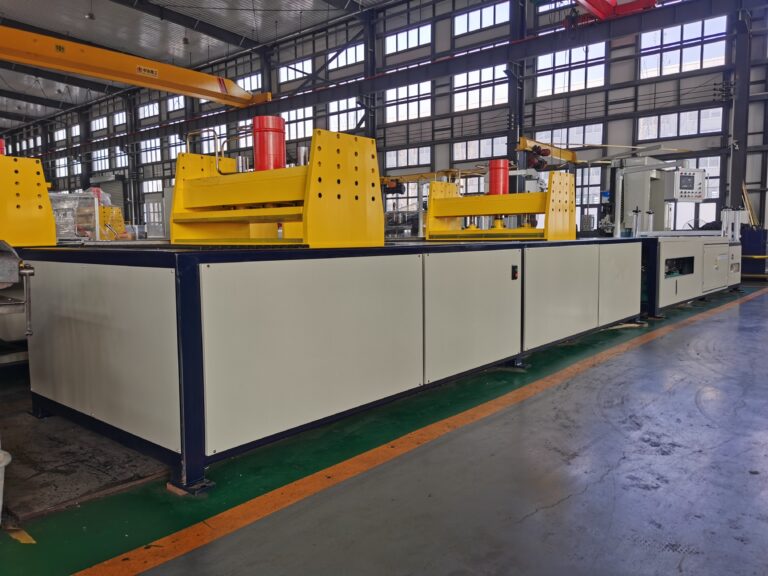
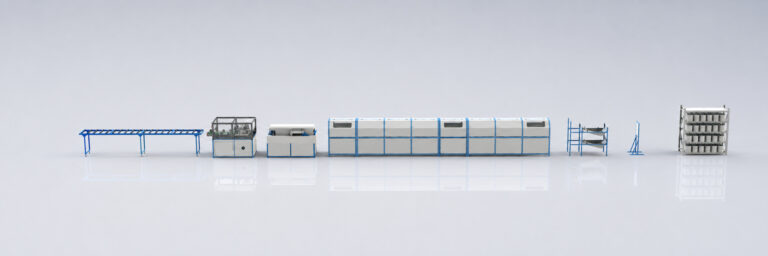
Ask how the proposed tooling, puller and cutting arrangement suit each representative profile. Discuss clamping or contact areas and the risk of damaging thin or hollow sections. Request a clear statement of the configuration, assumptions and limitations. Where performance is important to the purchase, define a representative trial and measurable acceptance criteria instead of accepting a general claim that the machine handles all profiles.
A practical decision example
A line intended for both flat strips and hollow sections should be reviewed with drawings of each. Ask which tooling, contacts and supports change between them. One successful flat-strip demonstration does not settle the contact and inspection questions for the hollow product.
Key checks
- Supply representative profile drawings
- Identify contact and support constraints
- Agree the product range and validation method
Next step
A profile-based specification helps suppliers propose a suitable configuration. It also exposes where optional tooling or different contact components may be needed for future products.
Review the pultrusion equipment range and share your product specification for a configuration and scope discussion.