Shandong Gold Lead Machinery Co., Ltd.

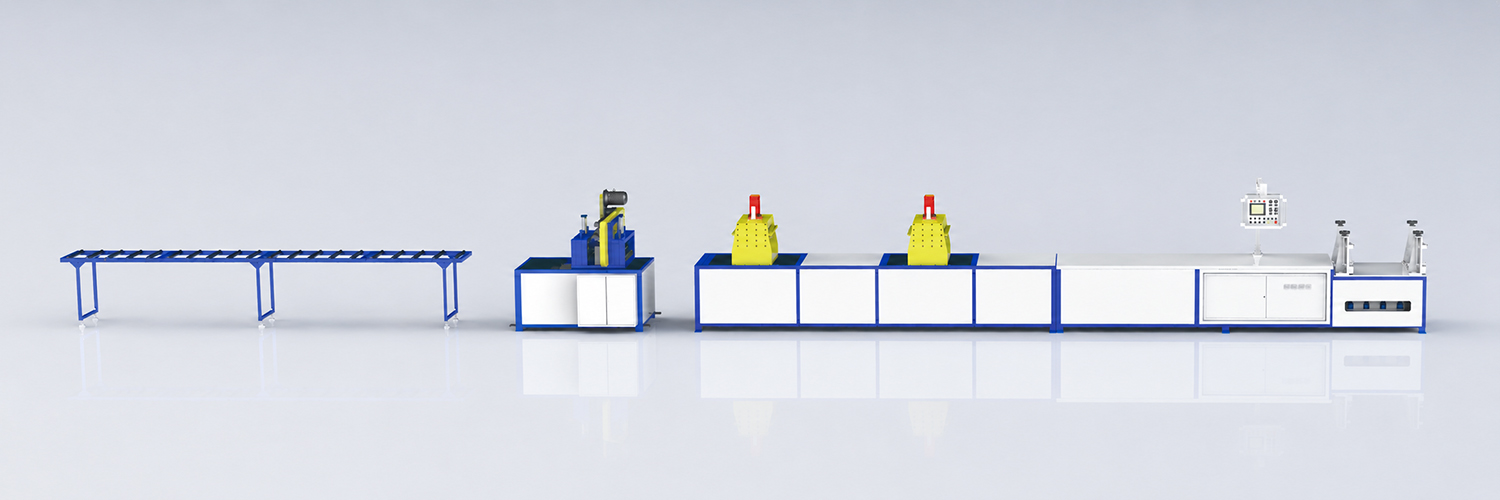
FRP Rebar Production Line Capacity: Questions to Verify
Capacity claims for an FRP rebar line need explicit conditions. Buyers should distinguish theoretical movement or machine capability from the amount of conforming, saleable product produced over a defined period.
Define the capacity statement
Ask what product size, material system, surface configuration and number of active strands underpin the figure. Clarify whether it excludes start-up, changeover, maintenance or rejected output. Identify the length or mass basis and the measurement period. Different assumptions can make two apparently comparable quotations describe very different production scenarios.
Verify the bottlenecks and acceptance method
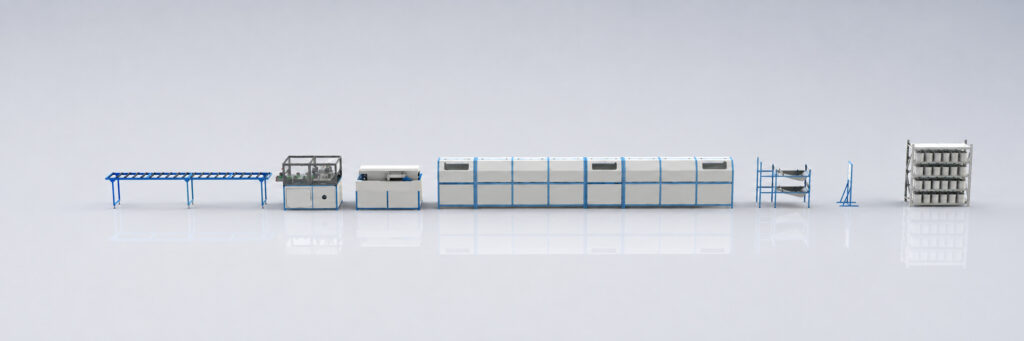
Review impregnation, curing, traction, cutting and collection together. Increasing one stage's nominal capability does not establish that the complete process can maintain quality at that rate. Agree a representative trial with material identification, operating conditions and product checks recorded. If the intended factory pattern differs from the trial, keep the remaining production estimate clearly separate from the demonstrated result.
A practical decision example
If a capacity figure excludes changeovers and rejected material, label it accordingly in the investment model. Ask for demonstrated conforming output under agreed conditions. A transparent limitation is more useful than treating an idealised running rate as a factory production forecast.
Key checks
- Require written capacity assumptions
- Measure conforming output over an agreed period
- Record interruptions and rejected material
Next step
A qualified capacity statement is more useful for planning than an unexplained headline number. It gives the buyer a defensible basis for investment and a clear method for checking the supplier's commitment.
Review the five-line FRP rebar production-line information and share your product specification for a configuration and scope discussion.