Shandong Gold Lead Machinery Co., Ltd.

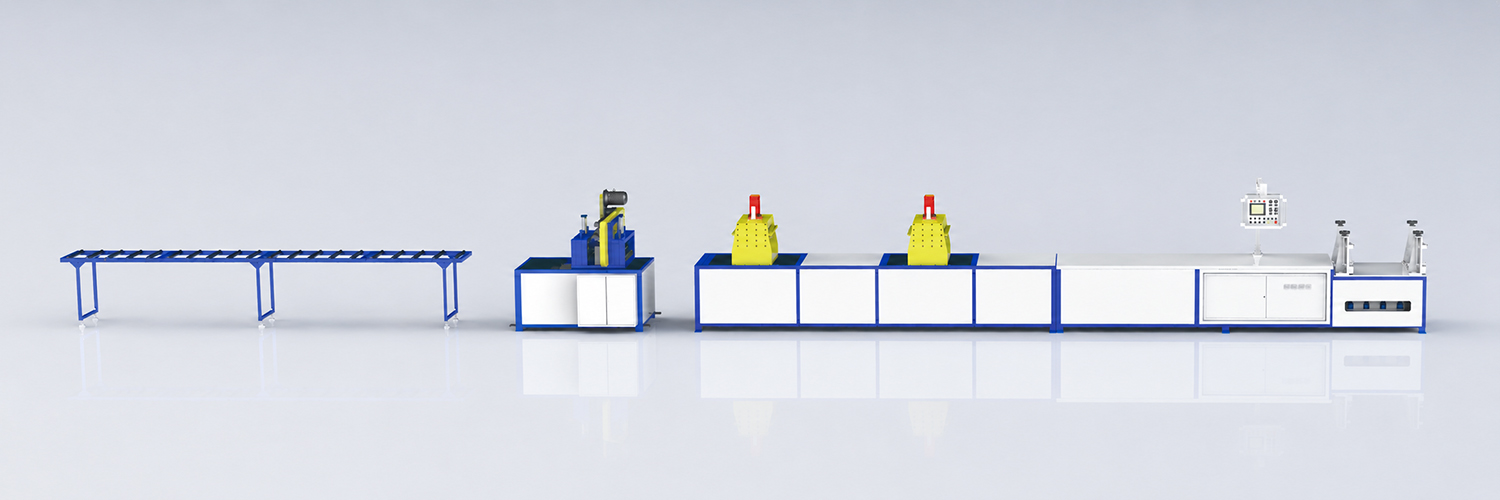
How Pultrusion Die Design Affects Profile Quality
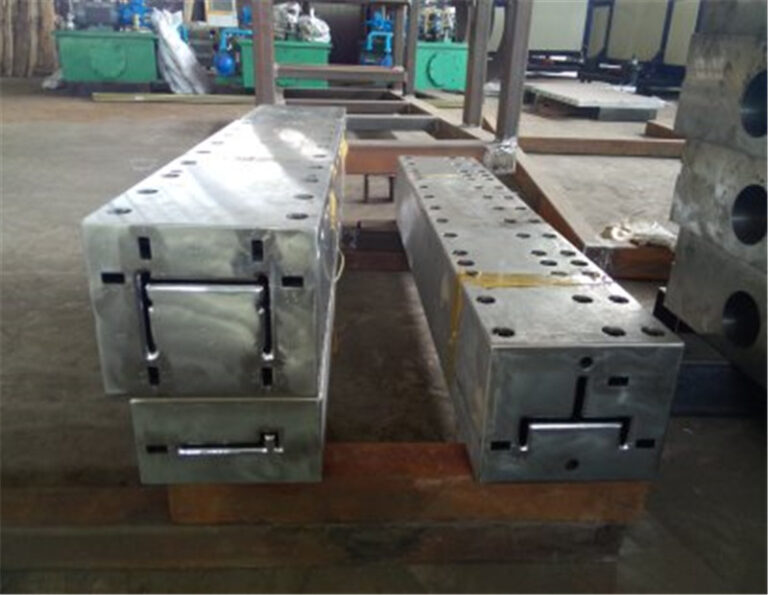
Pultrusion die design influences how the reinforcement and resin become a finished profile. Geometry, alignment and thermal arrangements need to be considered together with the material system and production conditions.
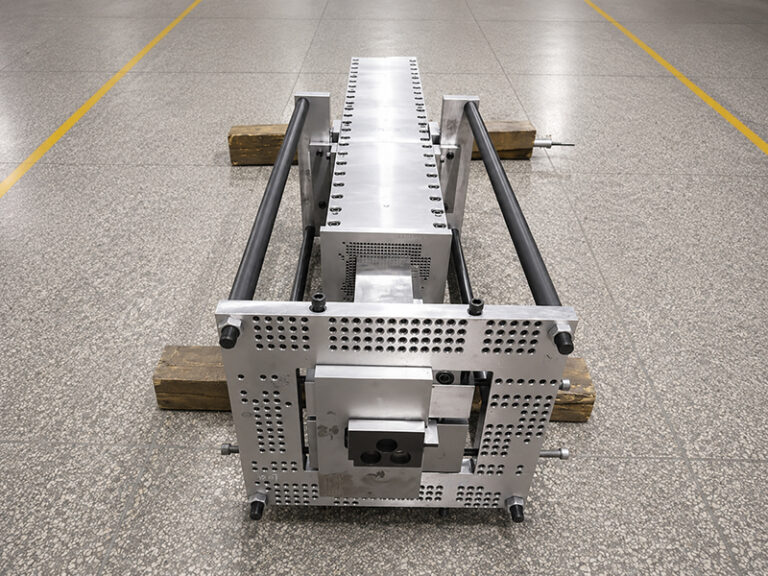
Start with the finished-section requirements
Provide controlled drawings, critical tolerances, visible surfaces and the intended reinforcement architecture. Ask the tool designer to identify features that create particular forming or process challenges. The required finished dimensions should be distinguished from tool dimensions and process allowances, which need specialist design rather than a simple copy of the part drawing.
Evaluate quality through a documented trial
Inspect dimensions, surface condition and other required product characteristics under representative conditions. Record the material, setup and process information so results can be interpreted. If defects occur, review tooling and process evidence together instead of assuming the die is always the cause. Any tool modification should have a clear reason, controlled revision and subsequent verification.
A practical decision example
If a profile misses a critical fit dimension, compare the measurement method and trial conditions before requesting die rework. The cause may involve more than geometry. A controlled investigation helps avoid modifying a tool to compensate for an unresolved process or inspection issue.
Key checks
- Provide functional product requirements
- Keep tooling revisions traceable
- Link quality results to trial conditions
Next step
Treat the die as part of the manufacturing system. This supports a more useful design review than judging tooling solely by its external finish or a claim of high precision.
Review the FRP pultrusion mould information and share your product specification for a configuration and scope discussion.